
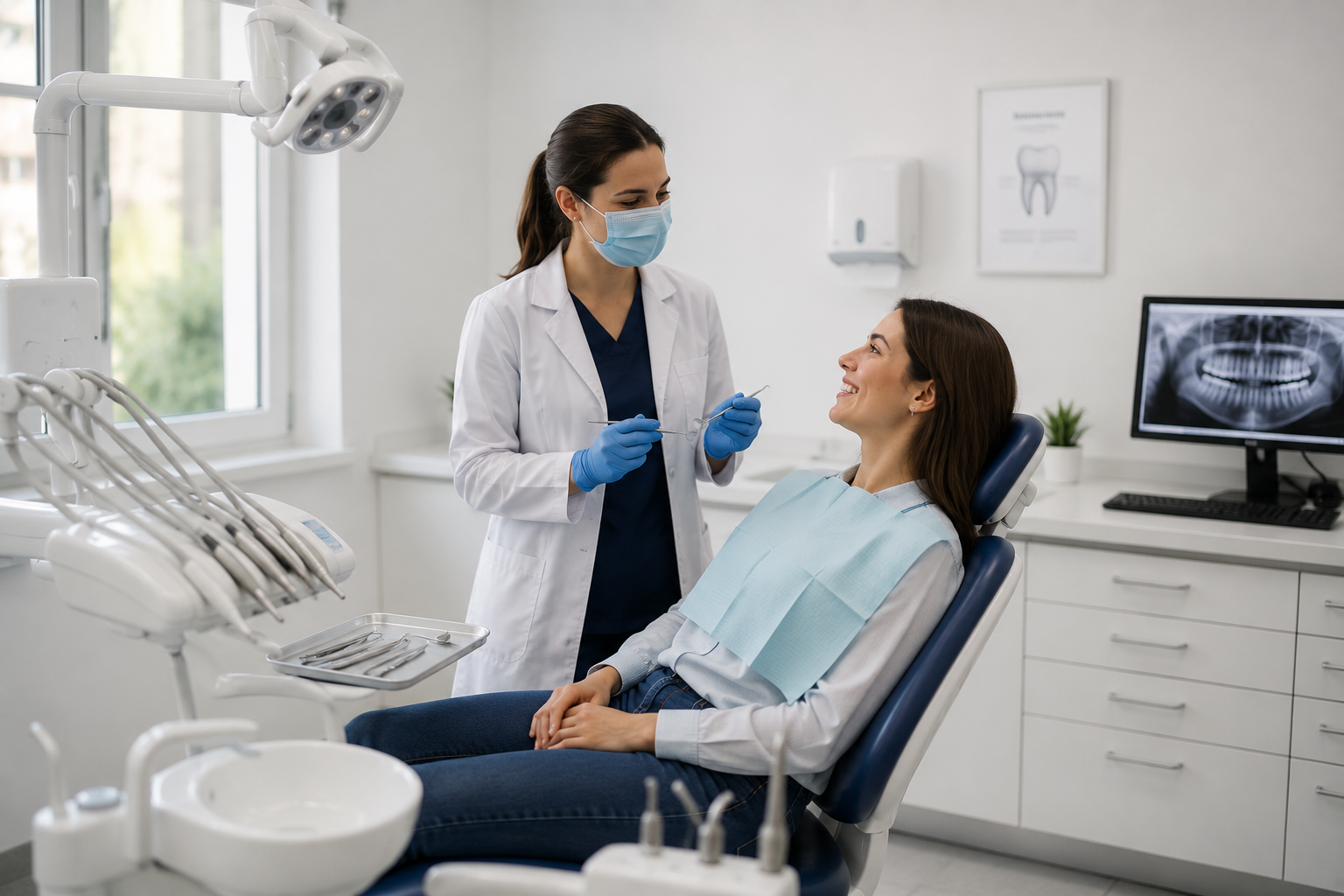
You live in Palmdale and want dental care that fits your budget without sacrificing quality or comfort. Affordable options exist nearby—from low-cost clinics and sliding-scale practices to payment plans and preventive care that lower long-term costs—so you can get the care you need without financial stress.
They will explain how typical costs break down in Palmdale and which treatments you can expect to find at budget-friendly prices. The article will walk through practical saving strategies, what to ask a dental office, and how preventive care prevents expensive problems later.
Expect clear comparisons of common treatments offered affordably, guidance on choosing a trusted local professional, and a straightforward look at what happens during a visit so you feel prepared. The tone stays warm and reassuring, making it easy to take the next step toward a healthier smile.
Understanding Dental Costs in Palmdale
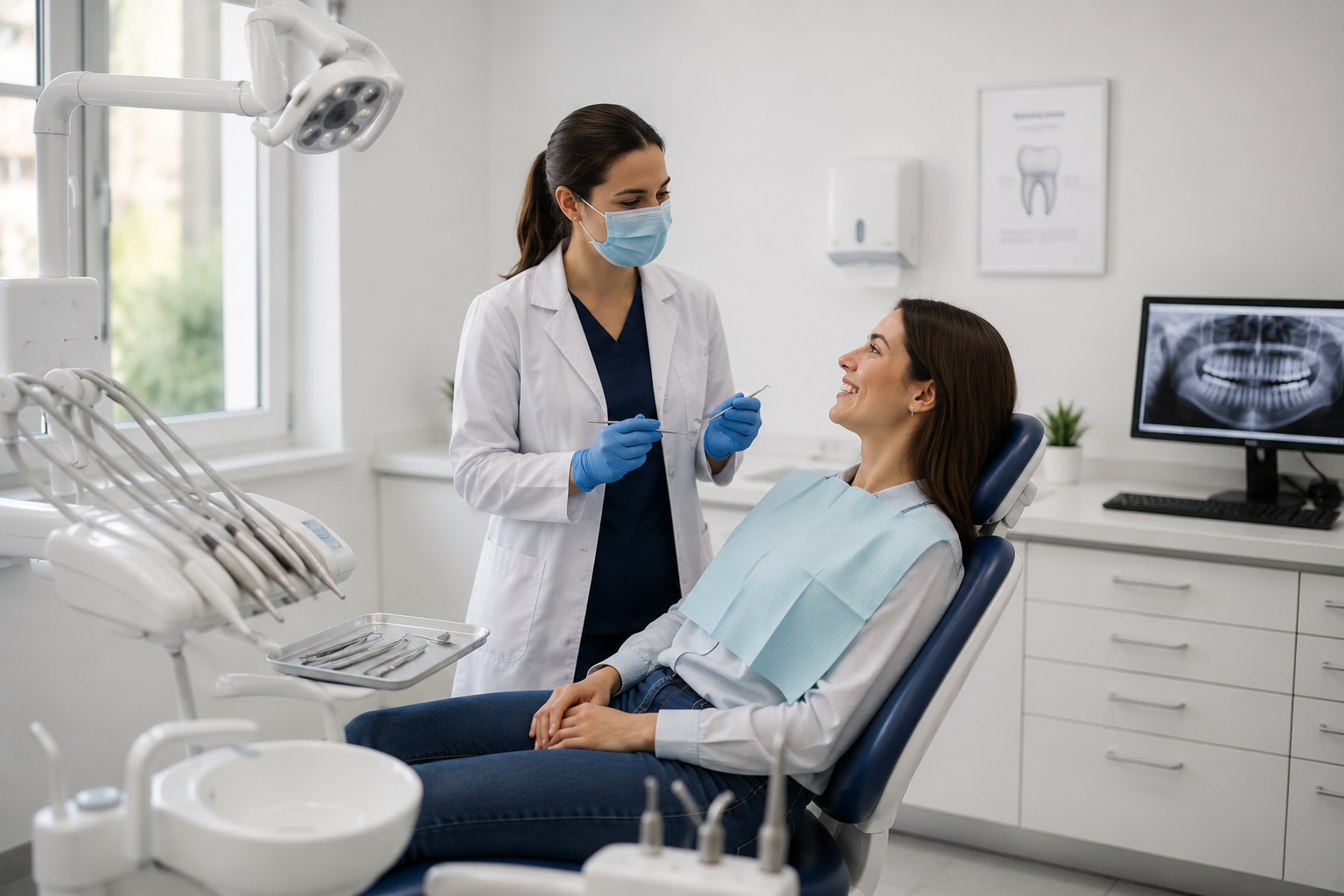
Dental costs in Palmdale vary by procedure, provider, and insurance. Patients should expect differences in fees for cleanings, fillings, crowns, and implants based on local practice overhead, materials, and clinician experience.
Common Factors Affecting Dental Pricing
Location-driven overhead influences fees: office rent in commercial Palmdale areas, staff wages, and equipment financing add to the price of services. Practices using digital X-rays, intraoral scanners, or same-day crowns often charge more to cover that technology.
Provider experience and specialization matter. A general dentist typically charges less for a routine crown than a prosthodontist or implant surgeon. Labs and materials change cost too; zirconia or porcelain crowns cost more than metal-based options.
Case complexity raises the total. Severe decay, need for root canal treatment, bone grafting before implants, or multiple missing teeth increase chair time and materials. Emergency visits and after-hours care usually carry extra fees.
How Insurance Impacts Your Out-of-Pocket Costs
Most dental plans in Palmdale cover preventive care at 100% when patients visit in-network providers, which reduces out-of-pocket for cleanings and exams. Restorative work like fillings or crowns often carries a co-pay or coinsurance (commonly 20–50% for major services).
Annual maximums and waiting periods affect timing and cost. If a plan has a $1,500 yearly maximum, expenses above that become the patient’s responsibility. New patient plans sometimes impose 6–12 month waiting periods for major procedures, so costs shift to the individual early in coverage.
In-network dentists agree to negotiated fees; out-of-network care may cost significantly more. Patients should verify benefit limits, pre-authorizations for crowns or implants, and whether the plan covers lab fees or sedation.
Why Dental Care May Seem Expensive
Upfront visibility of costs can help: tooth-colored composite fillings, ceramic crowns, and implants use higher-cost materials and lab work that raise prices compared with amalgam fillings or removable dentures. Patients often compare sticker prices without accounting for longevity; a higher-priced crown may last 10–15 years, reducing long-term replacement costs.
Preventive neglect increases expense. Untreated cavities can progress to root canals or extractions plus replacement teeth — each step adds procedures and bills. Time-sensitive treatments, such as root canal therapy followed by a crown, compound the cost versus addressing decay earlier.
Regulatory and safety requirements add overhead. Sterilization standards, staff training, and malpractice insurance are part of office operating costs. Those expenses support patient safety and quality, but they also contribute to the final bill.
If they want help estimating a projected cost for a specific procedure in Palmdale, patients are encouraged to contact a local clinic for a written treatment plan and fee breakdown.
Budget-Friendly Dental Solutions
Patients can access affordable care through local clinics, membership plans, and manageable payment options that match income and treatment needs. Practical steps include checking clinic eligibility, comparing in-office savings plans, and asking about no-interest financing for larger procedures.
Community Clinics and Nonprofit Programs
Community health centers and nonprofit dental clinics in Palmdale often offer sliding-scale fees based on household income and family size. They provide preventive care, simple fillings, extractions, and basic denture services; some centers contract with licensed dentists who work evenings or weekends to improve access.
Eligibility usually requires proof of income (pay stubs, tax returns) and a photo ID. Many clinics accept Medi-Cal and some accept recent federal or state emergency assistance programs. Appointment wait times vary, so early scheduling and joining a clinic waitlist can reduce delays.
Look for services from organizations such as county health departments, federally qualified health centers (FQHCs), and community dental programs run by local nonprofits. Call ahead to confirm fees, available services, language support, and whether they offer emergent same-week visits for tooth pain.
Membership Plans and Savings Programs
Dental membership plans are offered directly by many Palmdale practices as an alternative to traditional insurance. Patients pay an annual fee—typically $150–$400—and receive listed benefits such as two cleanings, x-rays, and discounts (10–40%) on restorative work like crowns or root canals.
These plans work well for patients without employer insurance or whose treatment needs outpace insurance limits. Read the plan’s fee schedule carefully for exclusions, waiting periods, and whether specialist referrals or lab fees are covered.
Some local dentists also participate in dentist networks that offer patient discount cards. Compare the annual cost against typical out-of-pocket bills for the past two years to estimate value before enrolling.
Finding Payment Plan Options
Many dental offices in Palmdale provide in-house payment plans that split the total over several months with no interest for a agreed period. Patients typically make a down payment (20–50%) and pay the balance in fixed monthly installments, which helps for larger treatments like implants or full-mouth work.
Third-party medical financers (e.g., CareCredit, LendingClub Patient Solutions) offer credit lines specifically for healthcare; these can include 6–24 month no-interest promotions for qualified applicants. Review APR, late fees, and whether deferred-interest balances accrue if a payment is missed.
Ask the clinic for a written cost estimate and an itemized payment schedule before signing. Negotiating staged treatment—prioritizing urgent care first—allows spreading costs while addressing pain, function, and aesthetics in separate visits.
Preventive Care: The Key to Saving Money
Preventive care reduces the chance of expensive procedures by catching problems early and maintaining oral health. Routine visits, daily habits, and early problem recognition together lower long-term costs and protect natural teeth.
Importance of Routine Checkups
Routine dental exams and professional cleanings every six months remove plaque and tartar that brushing alone can’t reach. In Palmdale clinics, a typical checkup includes an oral exam, professional cleaning, and bite or X-ray evaluation when indicated. These visits let dentists detect cavities, gum inflammation, and wear patterns before they require crowns, root canals, or gum surgery.
Insurance and local clinics often cover or discount preventive visits, making them a cost-effective investment. Patients with diabetes, dry mouth, or a history of periodontal disease may need more frequent visits; tailored schedules prevent escalation. Professional fluoride treatments and sealants for at-risk molars further reduce the chance of future fillings.
At-Home Dental Hygiene Tips
Daily habits directly influence treatment needs and expenses. Recommend brushing twice daily with a soft-bristled brush and fluoride toothpaste for two minutes, plus flossing at least once to remove interdental plaque and prevent gum disease. Electric toothbrushes often improve plaque removal for readers who struggle with manual brushing technique.
Use mouthwash with fluoride or antimicrobial ingredients when appropriate; it lowers bacterial load and strengthens enamel. Replace brushes every three months or after illness. For patients with dry mouth, sugar-free lozenges and increased water intake reduce cavity risk. Small, consistent changes at home often prevent costly restorative work down the line.
Spotting Early Signs of Problems
Early detection relies on observing specific symptoms and acting quickly. Look for bleeding gums during brushing, persistent bad breath, tooth sensitivity to hot or cold, visible pits or dark spots, and new or shifting gaps between teeth. Any sore that doesn’t heal in two weeks warrants an exam.
Keep a simple checklist: bleeding gums, pain, sensitivity, discoloration, loose teeth, or swelling. If any item appears, schedule an evaluation at a local Palmdale practice; addressing an early cavity or localized gum infection usually requires less invasive, less expensive treatment. Regular self-checks plus prompt professional follow-up prevent minor issues from becoming major bills.
Popular Treatments Offered Affordably
These services focus on relieving pain, restoring function, and preventing future problems while keeping costs manageable. Clinics commonly offer sliding-scale fees, in-house financing, and bundled care to lower out-of-pocket costs.
Tooth Fillings and Restorations
Tooth decay and minor fractures get fixed quickly with tooth-colored composite fillings or glass ionomer materials that bond to enamel. Dentists in Palmdale typically diagnose cavities with visual exam and bitewing X-rays, then remove decay and place a restoration in one visit that usually takes 20–60 minutes per tooth.
Patients often choose composite resin for esthetics and conservative tooth removal. For larger defects, dentists may place onlays or bonded composite restorations that strengthen remaining tooth structure. Many clinics offer reduced fees for multiple fillings during the same visit and payment plans to spread costs across months.
Postoperative care is simple: avoid chewing on the treated side for 24 hours if anesthesia is used, maintain regular brushing and flossing, and schedule a follow-up if sensitivity persists beyond two weeks. Preventive sealants and routine exams help reduce the need for future restorations.
Professional Cleanings
Professional cleanings (prophylaxis) remove plaque, tartar, and surface stains using ultrasonic scalers and hand instruments. Hygienists typically perform an oral exam, chart periodontal measurements if needed, and polish teeth; a standard cleaning takes 30–60 minutes depending on buildup.
For patients with gum disease, clinics offer scaling and root planing in quadrant-based visits or full-mouth protocols, often at discounted rates for low-income or uninsured patients. Many practices bundle cleanings with exams and X-rays for a lower combined fee, and community clinics may provide sliding-scale pricing based on income.
After a cleaning, dentists recommend specific home-care steps: twice-daily brushing with fluoride toothpaste, daily interdental cleaning, and using an antiseptic mouthwash if advised. Regular 3–6 month cleanings reduce progression to costly periodontal therapy.
Crowns and Bridges
Crowns restore heavily damaged or root-canaled teeth, while bridges replace one or more missing teeth by anchoring to adjacent crowned teeth. Clinics in Palmdale supply materials ranging from durable porcelain-fused-to-metal to all-ceramic zirconia, with cost and esthetics varying by choice.
Treatment usually requires two visits: tooth preparation and a temporary crown, then final crown or bridge placement after lab fabrication (7–14 days). Many practices now offer in-office CAD/CAM milling for same-day crowns, reducing lab fees and multiple appointments when available.
Affordable options include crown subsidies through dental schools, payment plans, and phased treatment (prioritizing function and comfort first). Dentists counsel patients on lifespan expectations—5–15 years depending on material and home care—and recommend night guards for bruxism to protect restorations.
Choosing the Right Dental Professional
Finding an affordable dentist in Palmdale means balancing cost with skill and comfort. The right provider will explain fees clearly, offer payment or sliding-scale options, and show up-to-date training and patient-centered practices.
Questions to Ask at Your First Appointment
Ask about costs and payment options first: request a written estimate for exams, X-rays, cleanings, and common procedures. Inquire whether the office accepts Medi‑Cal, Denti‑Cal, private insurance, or offers in‑house payment plans and discount programs.
Ask about clinical experience and special training next: how long has the dentist practiced, which procedures they perform in‑office (root canals, extractions, crowns), and when they last completed continuing education. Request to see before-and-after photos for comparable cases.
Clarify clinical protocols and patient comfort measures: what sedation or anxiety‑management options are available, how the office handles emergencies, and their infection‑control standards. Ask how preventive care is scheduled and whether hygienists conduct periodontal screening.
Confirm logistics: office hours, language accessibility, average wait times, and the process for referrals to specialists. These specific questions reveal financial transparency, clinical competence, and how well the team will fit a patient’s needs.
Signs of Quality and Compassionate Care
Look for clear, documented communication: treatment plans should list procedures, costs, alternatives, and expected timelines. Offices that provide printed or emailed care plans and follow-up instructions demonstrate organized, patient-centered care.
Observe the team’s interpersonal approach. Staff who greet patients by name, explain each step before treatment, and check comfort levels during procedures show respect and empathy. Compassionate care also means reasonable appointment lengths and time for questions.
Check clinical indicators of quality: modern digital X-rays, intraoral cameras, and updated sterilization equipment point to current standards. Positive online reviews that mention specific clinicians, not just facility praise, provide more reliable signals.
Verify community engagement and professional affiliations. Membership in state dental societies, charitable programs for low-income patients, and partnerships with local clinics suggest commitment to accessible, quality care in Palmdale.
Comfort and Convenience for Your Family
Patients find practical, family-focused amenities and scheduling options that reduce stress and fit busy lives. The practice prioritizes quick access to care, calm treatment spaces, and staff trained to support children and older adults.
Flexible Scheduling and Emergency Care
The office offers weekday early-morning and late-afternoon appointments to accommodate work and school schedules. Online booking and text reminders help families confirm or change appointments without phone hold times.
Same-day or next-day slots are reserved for urgent needs like severe tooth pain, knocked-out teeth, or swelling. Patients calling for emergencies receive triage over the phone and guidance on next steps before arrival.
Weekend hours and an on-call dentist for after-hours emergencies reduce delays in care. The front desk explains insurance benefits, sliding-scale fees, and payment plans during scheduling so patients face fewer surprises at checkout.
Child and Senior-Friendly Services
Pediatric visits use a gentle, stepwise approach: introduction to the clinic, short first exam, and fluoride or sealant options to prevent cavities. Staff explain preventive routines in simple language and offer visual aids to help children learn brushing and flossing.
For seniors, the clinic provides low-step entry, wide treatment chairs, and extended appointment times to accommodate mobility or cognitive needs. Dentists review medications and medical history to avoid interactions and tailor treatment plans.
Both age groups benefit from clear billing explanations, transportation referrals if needed, and continuity with the same clinician when possible to build trust. Families receive printed care plans and phone follow-ups after procedures to confirm recovery and answer questions.
What to Expect During Your Visit
Patients arrive and check in at the front desk; staff confirm insurance or discuss payment options. Waiting times are typically short, and they provide reading material or a quiet space to relax.
A registered dental assistant or hygienist greets patients and reviews medical history. They take vital signs and ask about pain, sensitivity, or cosmetic concerns to focus the visit.
The hygienist performs a dental cleaning using scaling and polishing tools. X-rays may be taken if needed; these help the dentist spot problems not visible during the exam.
The dentist conducts a focused oral exam, explains findings in plain language, and discusses treatment choices. They review preventive steps and estimate costs before any work begins.
For restorative or surgical procedures, staff explain anesthesia and aftercare clearly. They provide written instructions and a contact number for questions or complications.
Patients receive a written treatment plan with options, timelines, and estimated fees. Payment, insurance claims, and financing choices are handled transparently to avoid surprises.
Common questions are answered throughout the visit, and staff check comfort levels continuously. They encourage follow-up appointments and routine cleanings to maintain oral health.
If a patient needs urgent care, the office triages and schedules the earliest available slot. They prioritize pain relief and stabilizing the condition before planning longer-term treatment.
Next Steps Toward a Healthier Smile
Patients should schedule a checkup to assess current oral health and discuss affordable options available in Palmdale, CA. A brief exam and X-rays help the dentist recommend targeted, cost-effective care.
They can explore payment plans, sliding-scale clinics, and dental insurance to reduce out-of-pocket costs. Many practices offer in-office financing or partner with community programs.
Daily prevention makes a big difference. Brushing twice, flossing once, and using fluoride toothpaste lower the chance of costly treatments later.
If anxiety or sensitivity is a concern, patients should mention it when booking. Clinics often provide options like gentle care, numbing techniques, or sedation to improve comfort.
Consider a prioritized treatment plan that starts with urgent needs, then addresses restorative and cosmetic goals over time. This staged approach balances health and budget.
Use this checklist when calling a clinic:
- Ask about first-visit specials or reduced-rate exams.
- Confirm which payment methods and financing options they accept.
- Inquire about bilingual staff or community referrals if needed.
They should bring a list of current medications and any dental records to the appointment. That saves time and helps the dentist make safer, faster decisions.
Encourage patients to call or book online for personalized guidance and to discuss the most affordable path to a healthier smile.
Frequently Asked Questions
This section answers practical questions Palmdale residents commonly ask about finding budget-friendly dental care, payment choices, emergency access, preventive services, and comfort-focused treatments. Each answer lists concrete steps, typical timelines, and specific services patients can request.
How can I find a trusted local dentist who fits my budget?
They should check online reviews on Google and Yelp and note comments about pricing and payment plans. Look for dentists listing sliding-scale fees, community clinic affiliations, or membership plans on their websites.
They can call offices and ask for a New Patient Estimate for common services like cleanings, fillings, and X-rays. Request written estimates and compare services included; low price with limited diagnostics can cost more later.
What payment options are typically available if I don’t have dental insurance?
Many offices offer in-house payment plans that spread costs over several months with little or no interest. Dental savings plans or membership programs give discounts on exams, cleanings, and routine procedures for an annual fee.
Third-party financing services such as CareCredit or LendingClub are commonly accepted for larger procedures. Offices often combine discounts, cash pricing, and financing—ask the front desk for a full cost breakdown.
Do any local dental offices accept Medi-Cal or other medical coverage for dental needs?
Some Palmdale clinics and community health centers accept Medi-Cal for emergency and basic dental services. Coverage varies by plan and by whether the dental office is enrolled as a Medi-Cal provider.
They should verify acceptance by calling the office and giving their plan name and ID number. Ask which procedures are covered and whether preauthorization is required to avoid surprise bills.
What should I expect during an emergency dental visit, and how quickly can I be seen?
Most offices reserve same-day slots for true dental emergencies like uncontrolled pain, swelling, or knocked-out teeth. Patients calling in the morning often get appointments the same day; after-hours calls may route to an on-call dentist or urgent care.
Expect a focused exam, pain control (local anesthesia or medication), and a treatment plan that may include temporary stabilization. Follow-up visits for definitive care are commonly scheduled within one to two weeks.
Which preventive services are most important to avoid bigger dental bills later on?
Routine professional cleanings and twice-yearly exams detect problems early and prevent costly restorations. Bitewing X-rays every one to two years (or more frequently for high-risk patients) spot cavities between teeth before they require crowns or root canals.
Fluoride treatments and dental sealants significantly reduce decay for children and adults with high cavity risk. A tailored home-care plan—proper brushing, flossing, and interdental cleaning—remains the most cost-effective prevention.
How do I know if a dental office uses modern, comfort-focused treatments for anxious patients?
They should look for mentions of nitrous oxide (laughing gas), oral sedation, and IV sedation on the practice website or in patient FAQs. Offices that advertise digital X-rays, intraoral cameras, and same-day crowns (CEREC) tend to use newer technologies that shorten appointments and reduce discomfort.
Call and ask about staff training in patient comfort, pain management protocols, and whether the dentist offers a complimentary consultation to discuss anxiety and sedation options. A practice that explains risks, benefits, and recovery in plain language usually prioritizes patient comfort.