
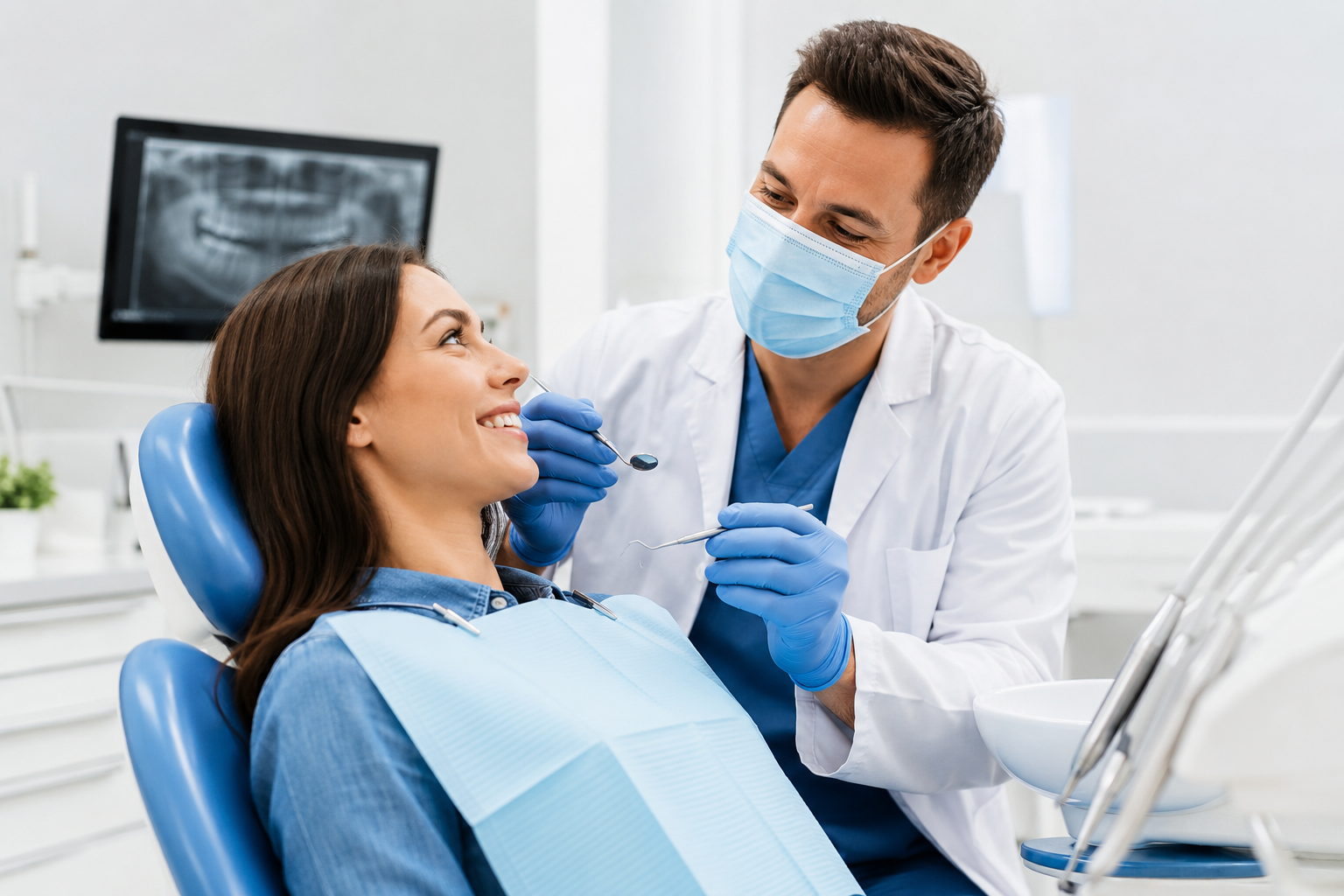
You’ll protect your smile and your overall health by keeping up with regular dental checkups in Palmdale, CA. Routine exams catch small problems early, prevent costly treatments, and help you maintain fresh breath and confident teeth.
They make appointments less stressful by building a relationship with a dental team that understands your needs and uses modern technology for gentler, more accurate care. Expect personalized prevention plans, clear explanations, and practical tips that fit your daily life in Palmdale.
How Preventive Dental Care Supports Lifelong Health
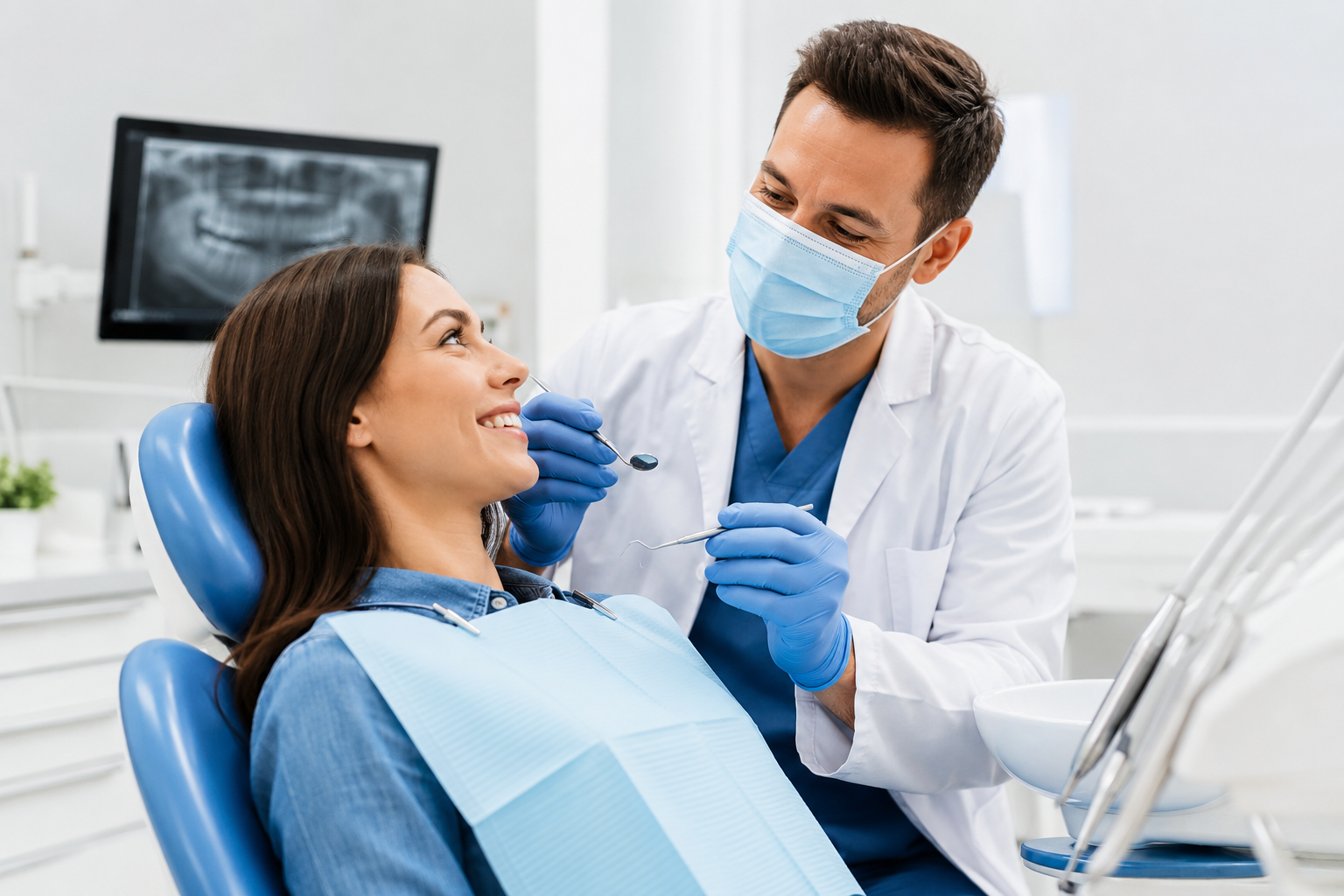
Regular preventive visits reduce risk and catch problems before they worsen. These visits include cleanings, fluoride or sealant treatments, oral cancer screening, and X-rays when indicated to maintain oral function and lower overall health risks.
Detecting Early Signs of Tooth Decay
Dentists detect early decay during routine exams by looking for soft spots, white demineralization, and grooves that trap plaque. Bitewing X-rays reveal decay between teeth that visual inspection misses, allowing for minimally invasive treatment.
Early detection often means a simple filling or fluoride varnish rather than root canal therapy or crown placement later. Restorations placed when lesions are small preserve more natural tooth structure and reduce long-term costs.
Patients with dry mouth, high sugar intake, or orthodontic appliances need more frequent checks. The clinician will recommend targeted fluoride, dietary changes, and sealants to reduce recurrence and protect vulnerable surfaces.
Protecting Gums From Disease
Gum disease begins with gingivitis—red, swollen, or bleeding gums—and progresses to periodontitis if untreated. Professional cleanings remove calculus below the gum line, halting inflammation and preventing bone loss around teeth.
Periodontal screening measures pocket depths and bleeding on probing to stage disease and set a treatment plan. For mild cases, scaling and root planing combined with improved home care often restore gum health.
Dentists monitor systemic links like diabetes and heart disease that can worsen gum conditions. They coordinate care with a patient’s physician when needed and recommend maintenance visits every 3–6 months for those with past periodontal issues.
Keeping Your Smile Bright
Professional polishing and stain removal remove surface discoloration from coffee, tobacco, and certain foods. Dentists offer in-office bleaching for immediate results and supervised take-home kits for gradual whitening with lower sensitivity risk.
Home care advice targets stain prevention: use a soft-bristled brush, floss daily, and rinse after staining foods. They also review safe over-the-counter whitening options and warn against abrasive pastes that damage enamel.
For persistent discoloration or uneven tooth color, restorative options like veneers or bonded composite can provide long-term aesthetic improvement. The dentist will evaluate enamel thickness and bite to choose treatments that balance appearance with tooth health.
Why Consistency Matters for Your Oral Wellness
Regular visits reduce small problems before they become painful or expensive. Routine care also helps patients stay comfortable with dental staff, treatments, and at-home hygiene.
Avoiding Unexpected Dental Emergencies
Consistent checkups let the dentist catch decay, cracked teeth, and gum disease at early stages. Detecting a small cavity during a six-month visit often means a simple filling; waiting until pain appears can require root canal therapy or extraction.
Professional cleanings remove hardened tartar that brushing misses, lowering the chance of gum pockets that harbor infection. X-rays taken annually or biennially reveal hidden issues like impacted teeth or bone loss, allowing planned treatment rather than urgent surgery.
For patients with crowns, implants, or braces, routine exams confirm appliances remain stable and functioning. Early adjustments prevent displacement or breakage that would otherwise cause sudden pain or emergency appointments.
Building Comfortable Dental Routines
Frequent, predictable visits help patients develop familiarity with procedures and staff, which reduces anxiety. When a patient meets the hygienist and dentist regularly, the team can tailor explanations and comfort measures—such as topical numbing or shorter appointment segments—based on past responses.
A steady schedule reinforces home care habits. Dentists can give specific, measurable advice—like flossing between molars nightly or using a focused interdental brush—then review progress at the next visit. That feedback loop improves outcomes more than a single lecture.
Dental offices in Palmdale that offer flexible scheduling, sedation options, and open communication make it easier for busy patients to keep appointments. Small investments in routine care save time and money compared with managing sudden, complex procedures.
Personalized Solutions for Palmdale Families
Palmdale families receive care that fits each member’s age, health history, and lifestyle. Dentists create plans that balance prevention, comfort, and modern treatment options.
Custom Treatment Plans for Every Age
Providers begin with a detailed exam and digital X-rays to map tooth development and oral health status for each family member. For infants and toddlers, recommendations focus on feeding practices, fluoride guidance, and early habit counseling to prevent decay; pediatric sealants and gentle cleanings are scheduled when appropriate.
For school-age children, the plan often includes fluoride varnish, sealants on permanent molars, and monitoring for orthodontic needs. Teen plans add sports mouthguard fitting and acne-safe oral hygiene tips when braces are present.
Adult plans prioritize routine cleanings, periodontal screening, and bite evaluation. For older adults, care emphasizes dry mouth management, denture maintenance, and minimally invasive restorations to preserve remaining teeth. Each plan lists expected procedures, estimated timelines, and out-of-pocket cost options so families can make informed choices.
Addressing Unique Local Dental Needs
Palmdale’s dry climate and outdoor lifestyle increase risk of enamel erosion and dry mouth, so clinicians emphasize hydration strategies and saliva-friendly products. They recommend using a fluoride toothpaste with at least 1,350 ppm and a neutral pH mouthwash when patients report sensitivity or frequent sports drink use.
Air quality and dust exposure can aggravate gum inflammation; dental teams include extra emphasis on plaque control and biannual periodontal checks for residents with high outdoor exposure. For families with limited appointment availability, practices offer evening hours, same-week hygiene slots, and staggered scheduling to accommodate school and work routines.
Local practices also coordinate with nearby specialists — orthodontists and oral surgeons in Lancaster and the Antelope Valley — to streamline referrals and reduce travel time. They provide clear aftercare instructions and follow-up calls to ensure treatment comfort and adherence.
Modern Technology Enhancing the Dental Experience
Dental offices in Palmdale use specific tools to make visits more comfortable and safer. These technologies reduce appointment time, lower radiation exposure, and give clearer images for faster diagnoses.
Comfort-Driven Screening Tools
Clinics increasingly offer intraoral cameras and optical scanners that capture high-resolution images of teeth and gums without bulky impressions. These small, wand-like devices slip into the mouth and display detailed photos on a monitor, helping patients see exactly what the dentist sees.
Soft-tissue lasers address minor gum issues with less bleeding and faster healing than traditional scalpels. For anxious patients, noise-reduced suction systems and heated dental chairs improve comfort during longer procedures.
Many practices integrate patient education software that shows 3D models and treatment animations. This visual approach helps patients understand proposed care, expected outcomes, and recovery steps, making decisions easier and reducing procedure-related stress.
Digital X-Rays and Safer Diagnostics
Digital radiography replaces film X-rays with sensors that capture images instantly and cut radiation exposure by up to 80–90% compared with older systems. Dentists can adjust contrast and zoom in on suspicious areas to detect cavities, bone loss, or root issues earlier.
Cone beam CT (CBCT) scanners produce 3D images for complex cases like implant planning or evaluating impacted teeth. These scans provide millimeter-precise anatomy, helping clinicians place implants, assess nerve positions, and avoid complications.
Digital records link X-rays, intraoral images, and treatment plans into one secure file. That integration speeds consultations, allows easier second opinions, and supports better long-term tracking of oral health changes.
Bridging the Gap Between Oral and Overall Health
Regular dental visits can reveal issues that affect more than teeth. Early detection, targeted treatment, and coordinated care help protect both the mouth and the rest of the body.
Spotting Signs of Broader Medical Issues
Dentists often see early signs of systemic conditions during routine exams. Persistent mouth sores, unexplained gum bleeding, and sudden tooth mobility can indicate diabetes, vitamin deficiencies, or immune disorders.
Oral lesions that do not heal in two weeks warrant further evaluation. Dentists may recommend blood glucose testing or refer patients to an MD when patterns suggest diabetes or bleeding disorders.
Changes in saliva, chronic dry mouth, or unusual oral tissue color can reflect medication side effects or endocrine problems. Dentists document these findings, update medical histories, and communicate with primary care providers to coordinate diagnostic steps.
Being candid about symptoms and medications at dental appointments speeds accurate identification and timely medical referral.
Strengthening Heart and Immune Wellbeing
Inflammation from untreated gum disease increases systemic inflammatory markers that correlate with cardiovascular risk. Treating moderate to severe periodontitis reduces gum inflammation and lowers levels of C-reactive protein and other biomarkers linked to heart disease.
Dentists use scaling and root planing, local antimicrobials, and improved home care instruction to reduce bacterial load and inflammation.
For patients with compromised immunity, controlling oral infection prevents frequent systemic complications. Oncology patients, people with rheumatoid arthritis, and transplant recipients benefit from pre-treatment dental clearance and ongoing periodontal maintenance.
Dental teams tailor preventive plans, adjust scheduling around medical treatments, and liaise with physicians to minimize infection risk and support overall immune health.
Overcoming Common Barriers to Visiting the Dentist
Many patients delay care because of fear, time constraints, or cost worries. Practical steps—like calming techniques, clear scheduling choices, and transparent pricing—make visits manageable and comfortable.
Easing Dental Anxiety
Dentists in Palmdale use several proven methods to reduce fear and create a calm visit. They start with a short, friendly conversation to learn specific worries and explain each step before beginning treatment. Clear explanations reduce surprises, and many offices offer noise-cancelling headphones, blankets, or television to help patients relax during procedures.
Clinics often provide sedation options tailored to anxiety level: nitrous oxide for gentle relaxation, oral sedatives for moderate fear, and IV sedation for more complex needs. The dentist reviews medical history and explains risks and benefits, so patients feel informed and safe. Pediatric practices use behavior guidance and parent presence to build trust early, helping children become regular visitors.
Flexible Options for Busy Schedules
Local Palmdale practices recognize time pressures and offer several scheduling solutions. Many dental offices open early, stay late one or two nights a week, and hold Saturday appointments to fit work and school routines. Online booking systems let patients view available slots and reschedule without phone hold times.
For efficiency, clinics consolidate care into single visits when possible—combining a cleaning, X-rays, and a brief restorative procedure—to reduce repeat trips. They also offer reminder texts, streamlined check-in forms, and extended-visit planning for treatments that require multiple appointments. Insurance verification and transparent cost estimates at booking help avoid unexpected billing delays that might otherwise postpone care.
How to Choose the Right Dental Home in Palmdale
Look for clear communication about services, insurance, and appointment availability. Prioritize a practice that combines gentle care, up-to-date technology, and staff who explain options in plain language.
Questions to Ask Your Dental Team
Ask about the dentist’s credentials and years practicing in Palmdale, plus any specialty training in areas like restorative or pediatric care. Request descriptions of routine visits: what a dental exam, cleaning, digital X-rays, and fluoride treatment include and how long each visit typically takes.
Confirm which insurance plans the office accepts and their billing practices. Ask about payment options, membership plans for uninsured patients, and whether estimates are provided before major work. Inquire how emergency care is handled: same-day openings, after-hours contact, or referral protocols.
Ask about infection control and sterilization procedures, and whether the practice uses digital records and imaging. Request specifics on sedation options if anxiety or sensitive procedures are a concern, including types offered and monitoring protocols.
Ensuring a Welcoming, Gentle Environment
Evaluate the front-desk interactions: are staff polite, patient, and responsive to scheduling needs and language preferences? A welcoming phone experience and clear appointment reminders indicate organized patient care.
Look for visual cues of comfort: child-friendly areas, private operatories, noise-cancelling options, or blankets and headphones for anxious patients. Ask whether the practice offers behavioral strategies for nervous patients, such as stepwise exposure, distraction techniques, or short appointments to build trust.
Check for modern equipment that reduces discomfort—digital X-rays, intraoral cameras, and laser tools for soft-tissue procedures. Confirm the office follows ADA-recommended sterilization standards and posts their policies or will explain them on request.
Taking the Next Step Toward a Healthier Smile
Patients often feel uncertain about scheduling their first checkup, and a friendly office team can make that step simple. They can call, book online, or ask about appointment times that fit their schedule.
During the visit, the dentist will perform an exam and often take X-rays to catch issues early. This process usually takes under an hour and focuses on comfort and clear explanations.
If treatment is needed, the dentist will offer options tailored to the patient’s goals and budget. Preventive actions—like cleanings, fluoride, or sealants—are emphasized to avoid more complex care later.
Many practices in Palmdale, CA provide flexible payment plans and accept insurance, reducing financial barriers. Patients should ask about new-patient specials, evening hours, and sedation options if anxiety is a concern.
Quick checklist before calling:
- Gather insurance info and preferred times.
- Note any dental concerns or symptoms.
- List current medications and medical conditions.
A gentle call to action: encourage patients to reach out with questions or to book an exam, reinforcing that early care keeps smiles healthier and more comfortable.
Frequently Asked Questions
Regular checkups in Palmdale, CA detect early decay, gum disease, and bite issues, and they let the dentist tailor preventive care and home hygiene tips. Appointments also update X-rays and cleanings to keep enamel and gum tissue healthy.
How often should I schedule a dental checkup if my teeth feel fine?
Most dentists recommend every six months for adults with typical risk factors.
Patients with higher risk — active decay, gum disease, dry mouth, or complex restorations — may need visits every three to four months.
What happens during a routine dental exam and cleaning, and will it be uncomfortable?
A routine visit includes a visual exam, periodontal probing, professional cleaning (scaling and polishing), and any necessary X-rays.
Discomfort is usually minimal; hygienists use local techniques and gentle instruments, and dentists offer numbing or sedation options if sensitivity or anxiety arises.
Why can small cavities or gum problems go unnoticed without regular visits?
Small cavities often form between teeth or under fillings and produce no pain until they reach the nerve.
Early gum disease can cause subtle signs — slight bleeding or pocketing — that patients may miss without probing and measurement by a professional.
Can regular checkups help prevent gum disease and bad breath before they become serious?
Yes. Professional cleanings remove plaque and tartar that toothbrushes and floss may miss, reducing inflammation and bacterial load.
Dentists also identify causes of halitosis, such as dry mouth or infected tissue, and recommend targeted treatments like deep cleanings or antimicrobial rinses.
How do dental X-rays support preventive care, and are they safe for most patients?
X-rays reveal hidden decay, bone loss, impacted teeth, and root issues not visible on exam alone, guiding early, less invasive treatment.
Modern digital X-rays use very low radiation; dentists follow safety protocols and limit imaging to what’s necessary for each patient.
What are some easy ways to reduce dental anxiety before a checkup and feel more at ease?
Patients can request a pre-visit phone call to review concerns, ask about sedation options, or agree on a stop signal during treatment.
Simple practices like deep breathing, bringing headphones, and scheduling morning appointments help many people feel calmer and more in control.