
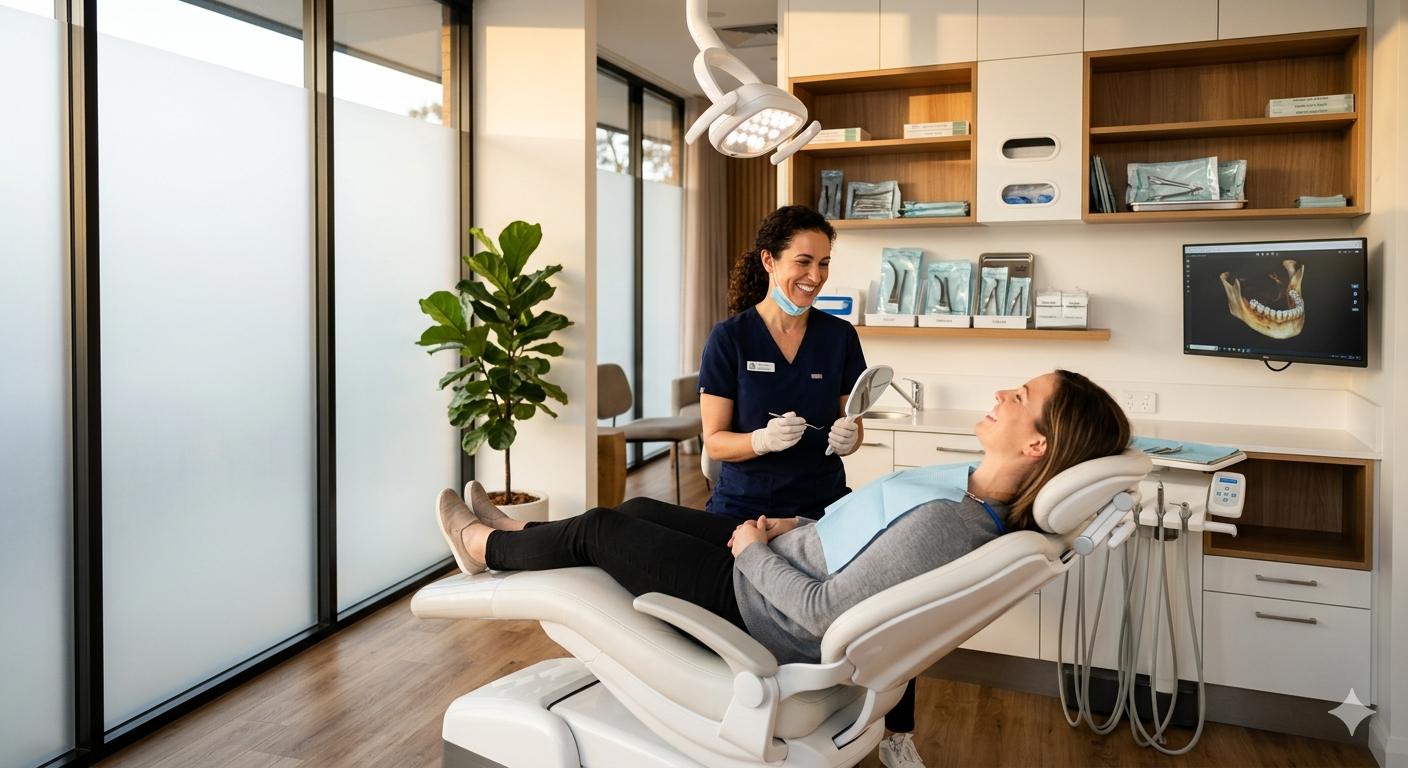
Dental emergencies can happen unexpectedly, and knowing where to turn in Palmdale, CA, makes all the difference. An emergency dentist in Palmdale provides prompt care for urgent issues like severe pain, broken teeth, or infections, ensuring quick relief and preventing further damage.
Many local dentists offer same-day appointments and a calm, caring environment to handle emergencies. This means patients don’t have to wait in pain or worry about worsening symptoms.
By understanding the types of emergencies treated and what to expect during a visit, people can feel more confident when seeking help. Reaching out to an emergency dentist early can save teeth and reduce discomfort, which is why prompt action matters.
Recognizing Dental Emergencies
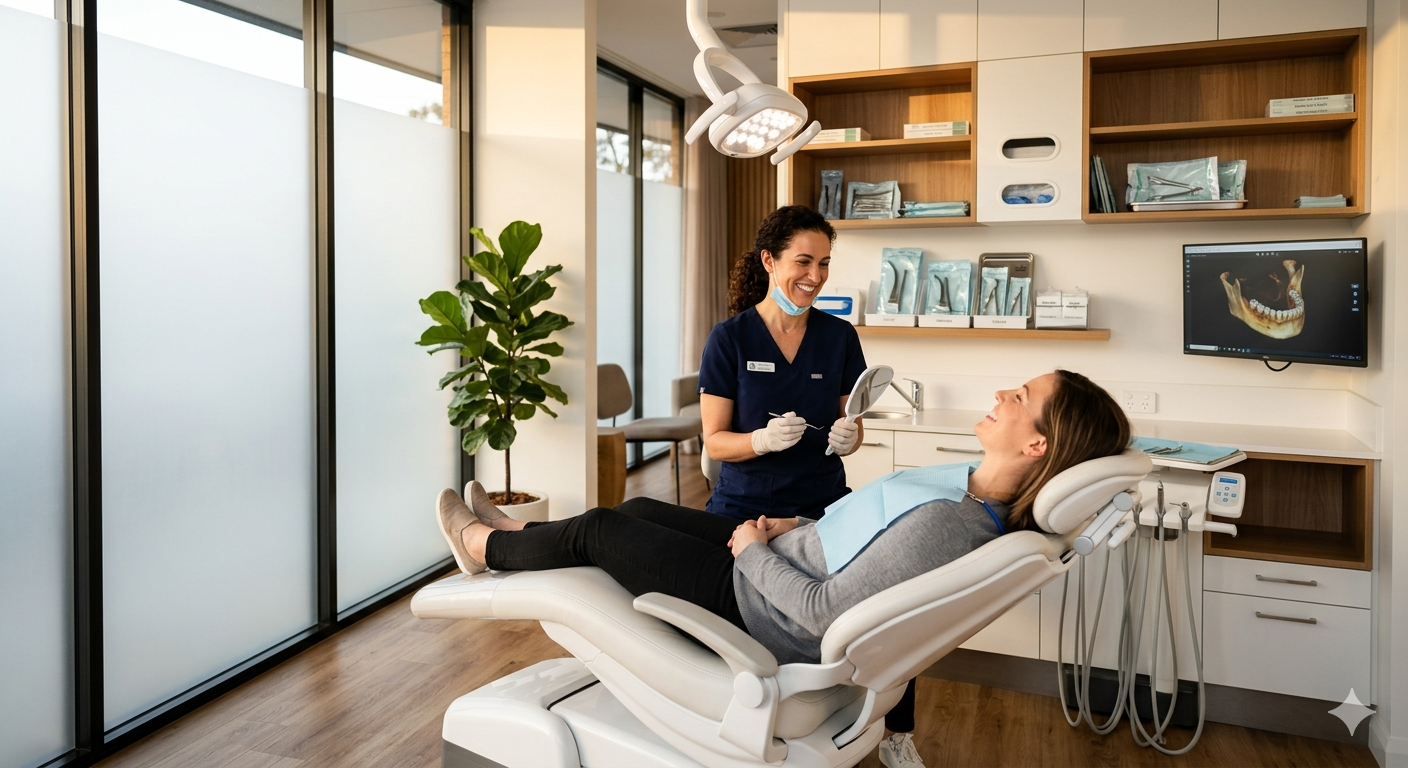
Knowing the signs of a dental emergency helps ensure timely care and reduces the risk of complications. Identifying the problem swiftly allows for effective treatment decisions and better outcomes.
Common Signs and Symptoms
Severe tooth pain that persists or worsens is a clear indicator of an emergency. This pain often signals infection, nerve damage, or a cracked tooth. Swelling of the face or gums can accompany pain and often means an infection needs prompt attention.
Bleeding that won’t stop after an injury or dental procedure is another urgent sign. Loose or knocked-out teeth require immediate care to improve chances of saving them. Inability to close the mouth properly, fever with tooth pain, or pus around the tooth are also red flags.
Types of Urgent Dental Issues
Broken or chipped teeth that expose the inner layers can cause sensitivity and infection risk without quick treatment. Tooth abscesses lead to swelling, pain, and sometimes fever, requiring antibiotics and drainage.
Lost fillings or crowns that expose the tooth’s sensitive areas can lead to pain or further damage. Soft tissue injuries inside the mouth, such as cuts to the tongue, cheeks, or lips, need care to prevent infection and promote healing.
When to Seek Immediate Help
If the pain is intense and unrelenting, immediate dental care is critical. Knocked-out teeth must be treated within an hour for the best chance of reimplantation. Heavy bleeding that does not stop after 15 minutes of pressure needs emergency attention.
Any signs of spreading infection—such as swelling of the face or neck, fever, or difficulty breathing—require immediate medical or dental care. When in doubt, contacting an emergency dentist for guidance can prevent minor problems from becoming severe.
Immediate Steps for Dental Accidents
Knowing how to act quickly can reduce pain and improve outcomes after a dental emergency. Immediate care focuses on preserving the tooth, controlling pain, and preventing further damage until professional help is available.
What to Do for a Knocked-Out Tooth
If a tooth is completely knocked out, time is crucial. Handle the tooth by the crown (the top part), avoid touching the root, and rinse it gently with water if dirty. Do not scrub or use soap.
Try to reinsert the tooth into the socket if possible and hold it in place by biting gently on a clean cloth. If reinsertion isn’t possible, keep the tooth moist by placing it in a container with milk or saliva. Avoid storing it in plain water.
Immediate dental care within 30 minutes greatly increases the chance of saving the tooth. Contact an emergency dentist right away.
Managing Severe Tooth Pain
Severe tooth pain often signals infection, injury, or inflammation. Rinse the mouth gently with warm salt water to reduce bacteria and soothe the area.
Use over-the-counter pain relievers like ibuprofen to manage discomfort, but never put aspirin directly on the gums or tooth. Applying a cold compress on the outside of the cheek can also reduce swelling and numb the pain.
Avoid extremely hot, cold, or sweet foods as they can worsen sensitivity. Seek emergency dental care promptly to diagnose and treat the underlying cause.
Handling Broken or Chipped Teeth
For broken or chipped teeth, first rinse the mouth with warm water to clear debris. Save any broken pieces if possible, wrapping them in moist gauze or a clean cloth.
Apply a cold compress to reduce pain and swelling. Avoid chewing on the affected side, and do not use the broken part to bite or tear.
If there is bleeding, apply gentle pressure with a clean cloth or gauze. Call an emergency dentist quickly as prompt treatment can prevent infection and improve cosmetic repair options.
Receiving Care in Palmdale
When a dental emergency strikes in Palmdale, timely access to care is crucial. Patients can find a variety of services tailored to urgent dental needs, ensuring relief and appropriate treatment. The experience at a local emergency dentist focuses on quick assessment, comfort, and effective solutions.
Local Emergency Services Available
Palmdale offers a range of emergency dental services to address common urgent issues like severe toothaches, broken teeth, or abscesses. Many dental offices provide same-day appointments or extended hours to accommodate unexpected problems.
Common emergency treatments include:
- Pain relief for toothaches and infections
- Repair of cracked or chipped teeth
- Tooth extraction when repair isn’t possible
- Management of dental trauma from accidents
Several clinics are equipped with modern technology to diagnose and treat emergencies efficiently. Patients can often expect prompt X-rays and immediate care to reduce pain and prevent further damage.
What to Expect During Your Visit
Upon arrival, the dentist prioritizes a thorough yet swift evaluation to understand the issue clearly. Expect an initial discussion about symptoms and any recent dental history to pinpoint the source of pain or damage.
Next, diagnostic tools like digital X-rays help identify underlying problems. The dentist then explains the findings and outlines treatment options, keeping patient comfort in mind.
Treatment often focuses on immediate relief, such as prescribing antibiotics for infection or performing tooth repairs. The dentist will also provide aftercare instructions to support healing until a follow-up visit. Throughout the appointment, staff strive to make patients feel calm and supported.
Patient Comfort and Modern Solutions
Palmdale emergency dentists prioritize patient comfort while using the latest technology to address urgent dental needs. Their approach combines gentle pain management with cutting-edge tools to deliver effective and swift treatment.
Gentle Techniques for Pain Relief
Emergency dentists in Palmdale use targeted local anesthesia to numb only the affected area, reducing discomfort without unnecessary sedation. They also offer sedation options like nitrous oxide or oral sedatives for patients with higher anxiety.
Pain relief methods focus on minimizing trauma during procedures. For example, new injection techniques use ultra-thin needles that cause less pain and fear. Dentists also apply topical numbing gels before injections to ease the initial sensation.
Throughout treatment, staff maintain calm communication, reassuring patients and explaining each step clearly. This friendly approach helps reduce stress and builds trust, making emergency visits less intimidating.
Advanced Tools for Emergency Treatment
Palmdale emergency dentists use digital X-rays that deliver fast, low-radiation imaging, allowing precise diagnosis on the spot. This means quicker treatment decisions and less waiting.
They also employ tools like laser dentistry for procedures such as soft tissue repair or infection control. Lasers reduce bleeding and speed healing, which enhances patient comfort and recovery time.
Other modern equipment includes electric handpieces that run quietly and smoothly, causing less vibration and noise than traditional drills. This lessens patient discomfort during cavity repairs or tooth extractions.
These technologies combined enable emergency dentists to handle a variety of urgent problems efficiently while prioritizing a comfortable experience.
Preventing Future Emergencies
Preventing dental emergencies starts with consistent habits and smart choices. Maintaining good oral health and protecting teeth during high-risk activities can reduce sudden problems and keep smiles safe.
Helpful Oral Care Tips
Daily care plays a key role in avoiding emergencies. Brushing twice a day with fluoride toothpaste removes plaque that causes decay. Flossing once daily clears debris from tight spaces, preventing gum disease and infections.
Regular dental checkups help catch small issues before they become urgent. Dentists can spot cracks, weak spots, or infections early. Drinking plenty of water and limiting sugary snacks reduces acid attacks that damage enamel.
Avoid using teeth as tools for opening packages or biting hard objects. These habits often lead to cracks or chips. Using a soft-bristled toothbrush also protects gums and enamel from damage.
Protective Gear for Active Lifestyles
People who play sports or have active hobbies face higher risks of dental trauma. Wearing properly fitted mouthguards during contact sports like football, hockey, or basketball can prevent chipped or knocked-out teeth.
Custom-fitted mouthguards from a dentist offer better comfort and protection than store-bought versions. For non-contact sports or activities like skateboarding, helmets with face guards provide extra safety.
Parents should encourage children and teens to always wear protective gear during any physical activity. It’s a simple step that saves time, money, and pain by preventing avoidable injuries.
Preparing for Your Emergency Appointment
When preparing for an emergency dental appointment in Palmdale, it helps to stay calm and gather key information. Patients should note the time the issue began and any symptoms, like pain, swelling, or bleeding. This helps the dentist understand the urgency and nature of the problem.
Bringing a list of current medications and any allergies is important. It allows the dental team to choose safe and effective treatments. If possible, patients should also bring dental insurance details and a form of ID to speed up the check-in process.
Patients should avoid eating or drinking anything if they will need immediate dental work. However, drinking water to stay hydrated is usually okay. Wearing comfortable clothing and arriving a little early can also make the visit smoother.
If there’s a knocked-out tooth, keeping it moist is crucial. The tooth should be placed in milk or saliva and brought to the appointment right away. This small step can greatly increase the chances of saving the tooth.
Emergency dentists in Palmdale focus on patient comfort and quick relief. Being prepared helps them provide the best care. If questions come up before your visit, don’t hesitate to reach out to the office for guidance.
Insurance and Payment Guidance
Emergency dental care in Palmdale, CA often feels urgent, but understanding insurance options can ease some stress. Many local emergency dentists accept a wide range of insurance plans, including major providers like Delta Dental, Cigna, and Aetna. Patients are encouraged to verify coverage beforehand to avoid surprises.
For those without insurance, most emergency dentists offer flexible payment options. This may include payment plans, credit card processing, or connections to third-party financing like CareCredit. These options make managing unexpected dental bills more manageable.
Here’s a quick overview of typical insurance and payment considerations:
| Topic | Details |
|---|---|
| Insurance Accepted | Major PPO plans, some HMOs |
| Payment Methods | Cash, credit/debit, financing plans |
| Upfront Costs | Varies by procedure and insurance |
| Emergency Visit Fees | Often higher due to immediate care |
Patients should always call the dental office to confirm what insurance is accepted and ask about any upfront costs. Many offices provide estimates and work with patients to find affordable solutions.
When an emergency happens, knowing your payment options helps focus on what matters most—getting the care needed. If questions arise about insurance or costs, reaching out to the office staff can provide clarity and reassurance.
When to Consult a Dental Expert
Knowing when to see an emergency dentist can save both pain and time. If someone experiences sudden, severe tooth pain that won’t improve, it’s a clear sign to seek professional care. This type of pain often signals an infection or injury requiring prompt attention.
Other reasons to call a dental expert include a broken or knocked-out tooth. If a tooth is completely dislodged, quick action can sometimes save it. Even chips and cracks should be evaluated to prevent further damage.
Bleeding that doesn’t stop after gentle pressure is another sign to consult a dentist. Persistent swelling or a fever alongside tooth pain may indicate an infection needing urgent care.
Some common symptoms to watch for:
| Symptom | Why It Matters |
|---|---|
| Severe, persistent pain | Possible infection or nerve damage |
| Broken or knocked-out tooth | Risk of permanent tooth loss |
| Uncontrolled bleeding | Possible gum or mouth injury |
| Swelling or fever | Potential abscess or infection |
Encouraging anyone with these symptoms to reach out early helps maintain oral health and reduces complications. Visiting a local Palmdale emergency dentist provides comfort with modern, gentle treatments designed to ease pain quickly.
Frequently Asked Questions
Emergency dental issues often involve pain, damage to teeth, or signs of infection that need timely attention. Knowing when to seek care and how to manage symptoms at home helps reduce discomfort and prevent complications.
What counts as a true dental emergency, and when should I seek same-day care?
A true dental emergency includes severe tooth pain, uncontrolled bleeding, knocked-out teeth, or a broken tooth causing intense discomfort. Same-day care is essential when pain is sharp, swelling spreads, or you have difficulty eating or speaking.
Can the emergency room treat severe tooth pain or a dental infection, or do I still need a dentist?
The emergency room can provide pain relief and antibiotics for dental infections but can’t perform dental procedures like root canals or extractions. A dentist’s follow-up care is necessary to address the root cause and fully resolve the issue.
What should I do right now if I’ve cracked a tooth, lost a filling, or broken a crown?
Rinse your mouth with warm water and avoid chewing on the damaged side. Save any broken pieces and bring them to the dentist. Use dental wax or temporary dental cement, available at drugstores, to cover sharp areas until you get professional care.
How can I tell if a tooth infection is getting dangerous, and what warning signs shouldn’t be ignored?
Watch for swelling in your face or neck, fever, difficulty swallowing or breathing, and severe, throbbing pain. These symptoms suggest the infection may be spreading and require immediate medical attention.
If I have Medi-Cal, what options do I have for urgent dental care and what should I bring to my visit?
Many emergency dentists in Palmdale accept Medi-Cal for urgent care. Bring your Medi-Cal ID, personal identification, and any referral documents. Confirm coverage and appointment availability before your visit to avoid surprises.
If I can’t get an appointment immediately, what can I do at home to stay comfortable and protect the tooth until I’m seen?
Use over-the-counter pain relievers as directed, avoid very hot or cold foods, and maintain gentle oral hygiene. Rinsing with warm salt water can reduce inflammation and keep the area clean while you wait for treatment.