
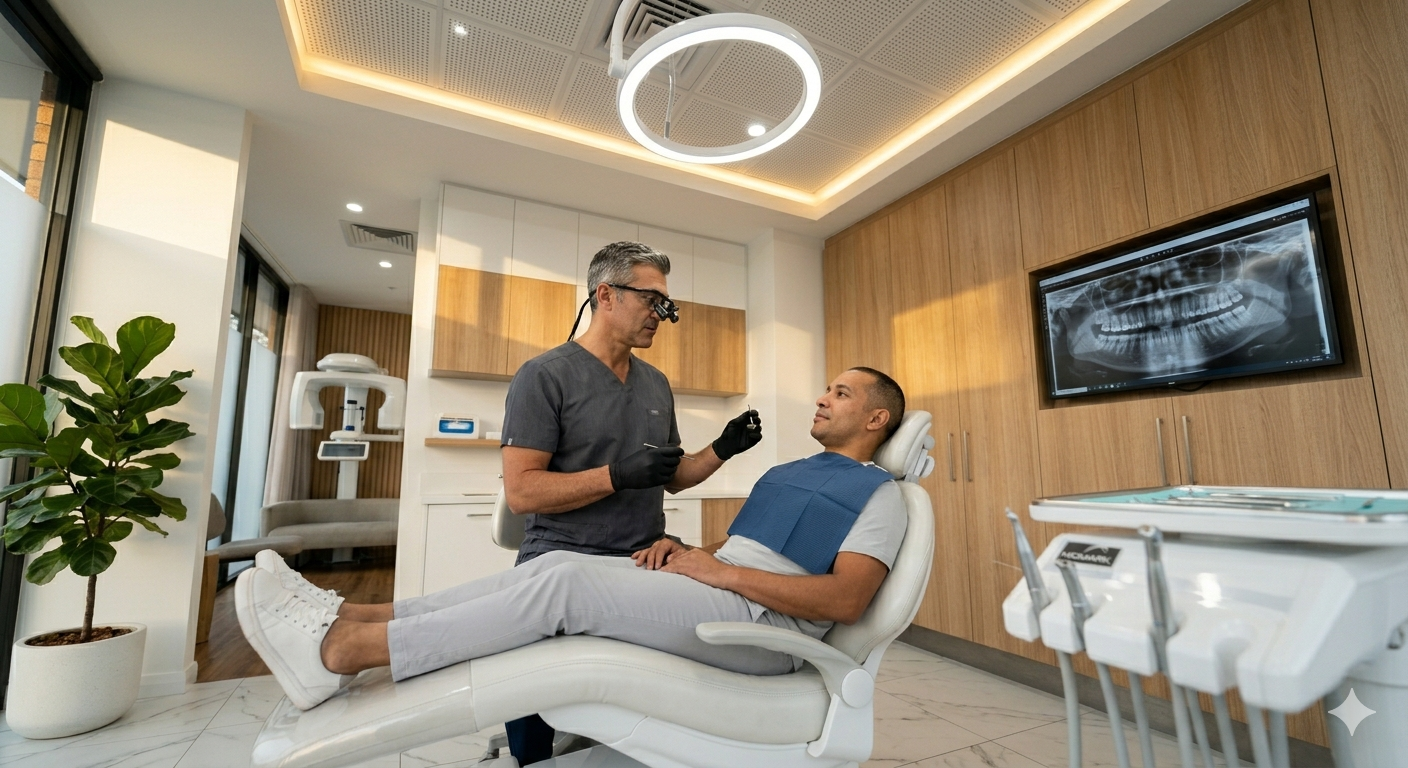
You’ll find practical, local guidance on choosing a family dentist in Palmdale who treats everyone from toddlers to grandparents with gentle, evidence-based care. The article highlights what services to expect, how modern technology improves outcomes, and what makes a practice comfortable and reliable for your whole family.
A trustworthy family dentist in Palmdale offers preventive care, same-day repairs for common problems, clear payment options, and a welcoming environment that keeps busy families on track with oral health.
They’ll explain how to evaluate amenities, read insurance details, prepare for a first visit, and maintain healthy smiles at home, so you can make confident choices for loved ones without the confusion.
Why Family Dentistry Matters
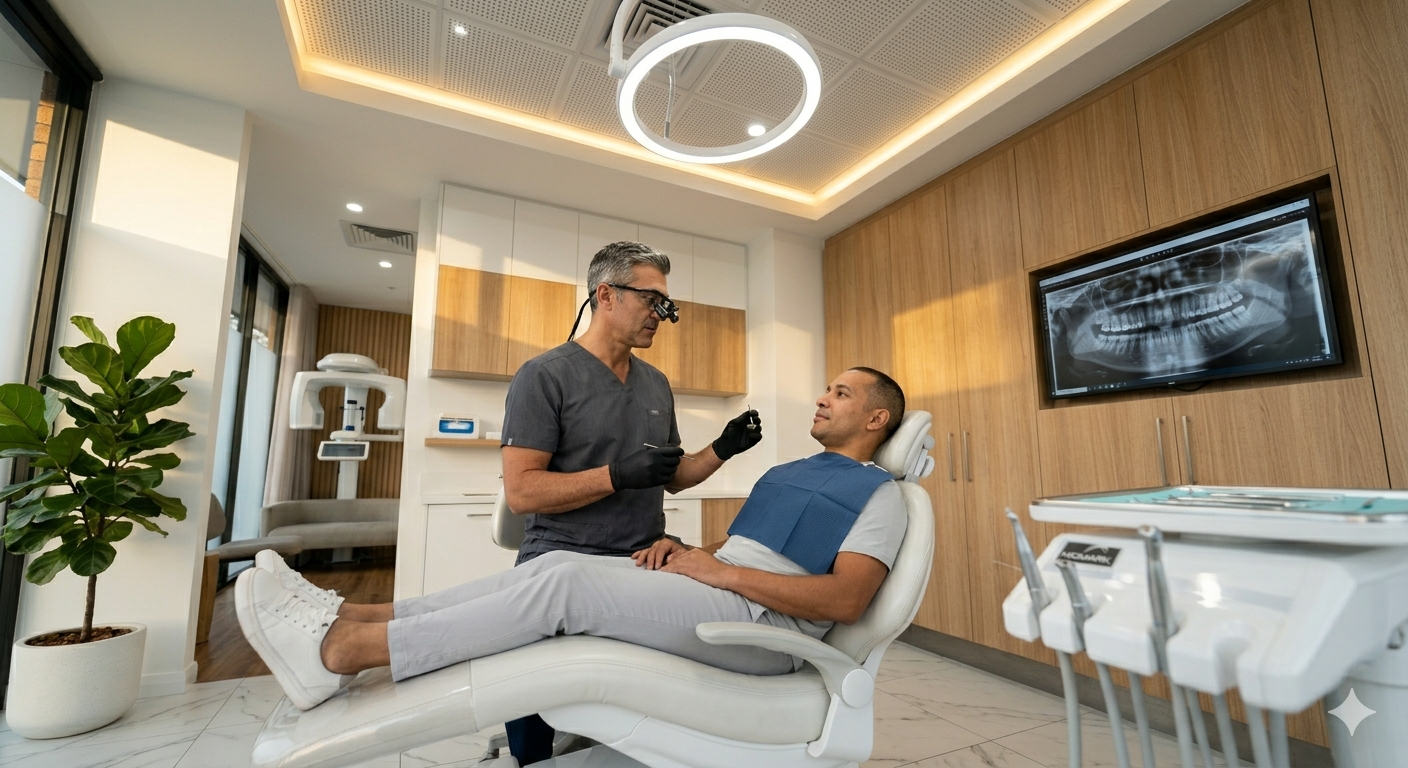
Family dentistry helps patients of every age maintain healthy teeth and gums through coordinated preventive care, timely treatments, and personalized comfort measures. It reduces treatment gaps, simplifies scheduling, and supports consistent oral-health education for children and adults.
Building Lifelong Oral Health Habits
Family dentists teach specific, age-appropriate habits that prevent cavities and gum disease. For young children, they demonstrate brushing with a soft-bristled brush, show parents how to reduce nighttime bottle or sippy-cup use, and recommend fluoride varnish schedules. For teens, they focus on managing sugary sports drinks, proper flossing technique, and monitoring orthodontic needs. For adults and seniors, they emphasize daily plaque control, routine periodontal assessments, and adjustments for dry mouth or medications that affect oral health.
Regular recall visits create measurable goals—X-rays every 12–24 months, professional cleanings every 3–6 months when needed, and targeted sealants or topical fluoride for high-risk patients. This continuity lets the dentist track changes in bite, wear patterns, and early signs of oral cancer or systemic issues linked to dental health.
Convenience of One-Stop Dental Care
A family dental practice consolidates care for infants through grandparents, so families keep one set of records and one trusted team. Appointment coordination becomes easier: siblings and parents can often be scheduled back-to-back, minimizing time off work and school. Insurance billing also simplifies when the practice handles multiple family members under the same plan.
Clinics typically stock a range of services on-site—preventive cleanings, pediatric behavior guidance, restorative fillings, crowns, root canals, and basic oral surgery—reducing referrals and treatment delays. Many family dentists offer digital charting and online scheduling, making follow-ups and treatment estimates faster and more transparent for busy households.
Creating a Positive Dental Experience for All Ages
Family dentists tailor the environment and communication to patient age and comfort level. Waiting rooms may include toys or calming decor for children, while treatment rooms use noise-reducing equipment and sedation options for anxious adults. Staff training emphasizes gentle language, step-by-step explanations, and clear consent so patients understand each procedure.
They also use behavior-management techniques like tell-show-do for kids and relaxation strategies or nitrous oxide for nervous adults. Clear, written home-care plans follow each visit, with practical tips—timed brushing, flossing aids, or prescription-strength fluoride—so families leave with concrete steps they can implement immediately.
Comprehensive Services Offered in Palmdale
Local family dentists provide a full range of care that keeps smiles healthy at every age. They emphasize prevention, child-focused approaches, and adult restorative options using up-to-date materials and technology.
Preventive Checkups and Cleanings
Dental teams perform routine exams every six months to spot cavities, gum disease, and early enamel wear. Cleanings include tartar removal with ultrasonic scalers and hand instruments, followed by polishing and fluoride varnish when appropriate to strengthen enamel.
Digital X‑rays and intraoral cameras allow precise diagnostics with lower radiation than traditional film. Dentists screen for oral cancer visually and with adjunct tools when risk factors exist. Hygienists teach tailored home care: brushing technique, floss selection, and product recommendations for sensitive teeth or dry mouth.
Many practices offer dental sealants for molars in teens and adults at risk of decay. They track periodontal pockets and provide scaling and root planing if gum disease appears. Appointment reminders and electronic records help patients stay on schedule and maintain preventive momentum.
Personalized Treatment for Children
Providers use behavior‑friendly techniques like tell‑show‑do, positive reinforcement, and short, predictable visits to reduce anxiety. Pediatric-oriented instruments, flavored prophy paste, and child-sized suction make cleanings more comfortable.
Dentists create individualized care plans that cover eruption monitoring, space maintainers, and timing for orthodontic referrals. They apply fluoride varnish and sealants proactively and discuss diet, pacifier use, and thumb-sucking interventions with parents.
When restorative work is needed, clinicians prefer tooth‑conserving options such as glass ionomer or composite resins. They explain procedures in simple terms and often offer sedation options—nitrous oxide or oral sedatives—when a child needs extra support.
Restorative Solutions for Adults
Adult restorative care includes fillings, crowns, bridges, and implant restorations using long-lasting ceramics and metal‑ceramic materials. Dentists evaluate bite, occlusion, and esthetics to plan durable, natural-looking results.
For missing teeth, implant placement and implant‑supported crowns restore function and help prevent bone loss. When decay or damage is extensive, same‑day CEREC crowns may be available for faster turnaround and fewer appointments.
Periodontal therapy ranges from non-surgical scaling and root planing to surgical pocket reduction and gum grafting for recession. Dentists coordinate with specialists for root canals, complex extractions, or full‑mouth rehabilitation to ensure comprehensive care.
Patient Comfort and Amenities
This practice emphasizes calm, efficient visits with options that reduce pain, anxiety, and waiting time. Comfortable treatment rooms, kid-friendly touches, and flexible hours help patients of all ages get timely care.
Gentle Techniques for Nervous Patients
They use a stepped approach to manage dental anxiety, starting with a warm greeting and a brief explanation of each visit’s steps so patients know what to expect. Clinicians offer topical numbing gel applied before injections, and they use ultra-fine needles and computer-assisted local anesthesia (CALA) when appropriate to minimize poke and burn sensations.
For patients who still feel anxious, the office provides nitrous oxide (laughing gas) and oral sedatives prescribed after a short medical screening. Staff monitor vital signs and maintain verbal contact throughout procedures, allowing adjustments to sedation and pacing. Distraction tools — noise-cancelling headphones, ceiling-mounted TVs, and guided breathing cues — also reduce perceived treatment time and stress.
They create a predictable environment by using treatment time estimates and pre-visit videos that explain common procedures. This reduces fear of the unknown and improves cooperation, especially for first-time or phobic patients.
Family-Friendly Atmosphere
The waiting area includes a children’s corner stocked with books and non-messy toys, and the reception team schedules back-to-back appointments for siblings to minimize trips. Treatment rooms have adjustable seating and booster pillows for small children and ergonomic chairs for parents during longer visits.
Clinicians explain procedures in age-appropriate language and use rewards like stickers or progress charts to encourage positive behavior. They coordinate preventive care — fluoride varnish, sealants, and growth monitoring — with pediatric milestones and school schedules. Insurance and payment staff assist families by estimating benefits before treatment and offering interest-free payment plans when needed.
The practice also enforces strict infection control and uses barrier protection and single-use items for extra peace of mind. Clear, friendly signage and polite reminders about arrival times keep family visits efficient.
Flexible Scheduling Options
They offer early morning and late-afternoon appointment blocks to fit school and work schedules, including select Saturdays for busy families. Online booking with real-time availability reduces phone hold times and allows immediate appointment confirmations and automated reminders by text or email.
Same-day emergency slots are reserved each morning for toothaches, broken crowns, or swelling; the triage nurse assesses symptoms and fits urgent cases into the schedule. For routine care, the office sends recall notices timed to insurance benefits and oral care needs, helping patients maximize coverage without last-minute rushes.
Cancellation policies are clearly posted and balanced with short-notice rescheduling options, so patients retain flexibility while the practice keeps access fair for everyone.
Modern Technology for Precise Care
This practice uses fast, low-radiation imaging and conservative treatment tools to diagnose problems earlier and treat them with less discomfort. Patients benefit from clearer treatment planning, shorter visits, and higher chances of preserving natural teeth.
Digital X-Rays and Imaging
Digital X-rays reduce radiation exposure by up to 80–90% compared with traditional film and produce images instantly on-screen. The dentist can enlarge, measure, and enhance images to spot small cavities, root issues, or bone loss that a clinical exam alone might miss.
Cone beam computed tomography (CBCT) is available for complex cases like implant planning or evaluating sinus proximity. CBCT supplies 3D views of jaw structures, improving surgical accuracy and reducing surprises during procedures.
Images are stored in the clinic’s secure electronic records for comparison over time. That makes tracking changes simple and helps the team explain findings to patients during consultations, using visuals to show exactly why a treatment is recommended.
Minimally Invasive Procedures
Minimally invasive dentistry focuses on removing as little healthy tooth structure as possible while restoring function and appearance. The practice employs adhesive restoratives, air abrasion, and magnification loupes to precisely target decay and preserve enamel.
Laser-assisted therapy treats soft-tissue issues and can reduce bleeding, swelling, and healing time compared with conventional scalpels. For early cavities, resin infiltration or small composite fillings often avoid full crowns, keeping more of the patient’s natural tooth.
When surgery is needed, guided techniques and small-diameter instruments lower tissue trauma and pain. The team pairs these technical methods with local anesthesia protocols and clear aftercare instructions to maximize comfort and speed recovery.
Tips for Maintaining Healthy Smiles at Home
Daily attention to brushing, flossing, diet choices, and regular dental visits keeps teeth and gums healthy. Simple, consistent habits prevent most cavities and gum disease and support long-term oral health.
Daily Oral Hygiene Routines
Brush twice daily for two minutes using gentle, circular strokes that cover all tooth surfaces, including molars and along the gumline. Use a timer or an electric toothbrush with a built-in timer to ensure full two-minute sessions.
Floss once daily, sliding the floss C-shaped around each tooth and under the gumline to remove plaque between teeth. If traditional floss is difficult, try floss picks, a water flosser, or interdental brushes sized for the gaps.
Rinse with an ADA-approved fluoride mouthwash after brushing when recommended by a dentist, especially for patients with dry mouth, high cavity risk, or orthodontic appliances. Replace toothbrushes every 3 months or sooner after illness.
Limit snacking to planned meals and choose water or unsweetened beverages between meals. Chewing sugar-free gum with xylitol for 10–20 minutes after meals can increase saliva and help neutralize acids.
Choosing the Right Dental Products
Select a fluoridated toothpaste with the ADA Seal and choose a fluoride concentration appropriate for age: 1,000–1,500 ppm for most adults and children over 6, lower amounts for younger children per dentist guidance. For sensitive teeth, pick a desensitizing toothpaste containing potassium nitrate or stannous fluoride and use it twice daily for several weeks to see improvement.
For toothbrushes, adults should use a soft-bristled brush; electric brushes with oscillating-rotating or sonic action can improve plaque removal, especially for those with limited manual dexterity. Replace heads per manufacturer guidelines.
When selecting floss or interdental cleaners, match the product to the space between teeth: waxed floss for tight contacts, interdental brushes for larger gaps, and water flossers for braces or implants. Read labels for ADA acceptance and consult a dentist for personalized recommendations.
If using whitening products, follow product instructions and consult the dental office before beginning to avoid sensitivity or uneven results.
How to Choose the Right Dental Team in Your Community
Look for a team that combines clinical skill, clear communication, and a focus on patient comfort. Practical details — like office hours, payment options, and emergency availability — matter as much as the dentists’ qualifications.
Questions to Ask During Your First Visit
They should ask whether the practice accepts their insurance and what cash or financing options exist. Inquire about appointment availability for sick children, same-day repairs for crowns or fillings, and the phone or online process for after-hours emergencies.
Ask how the team manages pain and anxiety: does the office offer topical anesthetics, nitrous oxide, oral sedatives, or child-specific comfort measures? Request to see sterilization protocols and how digital X-rays are used to limit radiation exposure.
Clarify preventive care plans: frequency of cleanings, fluoride or sealant recommendations for children, and whether the practice provides written home-care instructions. Finally, note communication style — do staff explain treatment options, risks, and costs in plain language?
Evaluating Education and Experience
Verify the dentists’ credentials: which dental school they attended, any advanced training (pediatric dentistry, orthodontics, or implant certification), and active state licensure. Look for membership in professional organizations such as the American Dental Association or local California dental societies.
Check clinical experience with procedures relevant to the family: restorative crowns for children, pediatric behavioral techniques, root canals, or Invisalign. Read patient reviews for recurring comments about outcomes, wait times, and how the team handles complications.
Ask about continuing education: how often does the team attend workshops on new materials, digital workflows, or sedation updates? Confirm the hygienists’ training and if dental assistants are certified for expanded duties.
Understanding Insurance and Payment Options
This section explains how family dental plans, government programs, and in-office payment choices work in Palmdale. It highlights common coverage limits, out-of-pocket costs, and practical ways to make care affordable for every family member.
Navigating Coverage for Families
Families should check whether the policy defines dependents by age and student status, since many plans cover children only until age 26 or until full-time student status ends. Annual maximums often range from $1,000–$2,000 per person; knowing that limit helps prioritize preventive care like cleanings and sealants first.
Verify whether preventive visits are covered at 100% and whether X-rays or fluoride treatments carry fees. Confirm in-network provider lists to reduce costs and ask about waiting periods for major services such as crowns or orthodontics. For dual-family coverage, coordinate benefits: primary insurance pays first, secondary may cover remaining eligible costs.
Affordable Solutions for All Budgets
Dental offices in Palmdale commonly offer in-house membership plans that cover two cleanings and X-rays for a flat annual fee, ideal for uninsured families. Many practices provide interest-free financing for 6–12 months through third-party lenders; patients should compare APR and monthly payments before signing.
Sliding-scale fees or reduced-cost clinics exist for low-income households, and Medi-Cal covers basic dental services for eligible children and some adults—check current state-specific benefit lists. Ask the office for a written estimate before treatment and request preauthorization from insurers to prevent unexpected bills.
What to Expect at Your First Appointment
Patients typically start with a friendly check-in at the front desk, where staff confirm medical history and any insurance details. They receive a brief tour of the office and are introduced to the dental team so they feel comfortable before the exam.
A dental hygienist usually begins with a cleaning and plaque assessment, using gentle tools to remove buildup and polish teeth. X-rays may be taken to check for cavities or underlying issues; these images help the dentist create an accurate treatment plan.
The dentist performs a thorough oral exam, evaluating teeth, gums, bite, and oral cancer signs. They explain findings in simple terms, point out any concerns, and discuss preventive steps or necessary treatments.
If treatment is needed, the dentist reviews options, estimated costs, and timelines in plain language. Patients get a written treatment plan and can ask questions about comfort measures like local anesthetic or sedation.
Practical tips to bring:
- Photo ID and insurance card
- List of medications and allergies
- Any recent dental records, if available
The team emphasizes comfort and makes room for patient preferences. They invite patients to call or schedule follow-up visits to discuss treatment, preventive care, or financial options.
Building Lasting Relationships for Healthier Families
A family dentist in Palmdale, CA focuses on creating trust across generations. They build rapport with children, teens, adults, and seniors by offering consistent, gentle care that adapts as needs change.
They emphasize preventive visits and clear communication. Regular checkups, personalized hygiene tips, and patient-friendly explanations reduce anxiety and prevent small problems from becoming major treatments.
Staff continuity matters; seeing familiar faces lowers stress for nervous patients and children. The practice often uses reminder systems and flexible scheduling to keep families on track.
They tailor treatment plans to each family member’s lifestyle and health history. This might include fluoride for kids, sealants for teens, whitening for adults, or denture maintenance for seniors.
Benefits of a long-term dental relationship:
- Better early detection of issues
- Fewer emergency visits
- Care plans that respect budgets and preferences
They prioritize comfort with modern technology and gentle techniques. Tools like digital X-rays and intraoral cameras speed diagnosis and help patients understand their options.
Encourage families to ask questions and share concerns during visits. A warm, expert team can guide them toward choices that fit their goals and schedule, and help keep smiles healthy for years.
Encouragement to Take the Next Step
They can schedule a visit with a family dentist in Palmdale, CA to discuss routine care, preventive plans, or specific concerns. A brief phone call or online booking often secures the first appointment within days.
Patients should expect a friendly intake that reviews medical history and comfort preferences. The team will explain options clearly, including pain control, financing, and time needed for each treatment.
Many families find starting with a checkup and cleaning helps everyone feel comfortable. It gives the dentist a chance to spot issues early and make a simple, personalized plan.
If anxiety is a concern, the practice can outline gentle approaches and relaxation techniques. They will also describe sedation choices and what to expect during and after treatment.
Helpful next steps:
- Call the office for availability and insurance questions.
- Book a comprehensive exam and cleaning to establish baseline care.
- Ask for a tour or meet-and-greet with the dentist and staff.
They should bring questions about preventive care, children’s dental schedules, or cosmetic options. The team welcomes inquiries and will provide clear, tailored answers to help families move forward confidently.
Frequently Asked Questions
This section answers common concerns about choosing a family dentist, first-visit expectations, comfort options for anxious patients, cavity prevention, insurance and payments, and urgent care timing. Each answer gives practical steps families can take right away.
How do I choose a dentist who’s a good fit for my whole family, including kids and teens?
They should look for a dentist with pediatric experience and general-family training, plus a team comfortable treating infants through adults. Check credentials, patient reviews, and whether the office provides age-appropriate care like sealants for kids and orthodontic screening for teens.
Tour the office or request a meet-and-greet to confirm the staff’s bedside manner and see if the environment feels welcoming for children.
What should I expect during a first visit, and how can I help my child feel comfortable at the dentist?
Expect a medical and dental history review, a gentle exam, X-rays if needed, and a cleaning tailored to the patient’s age. The hygienist will show tools and explain steps in simple language; parents should share any past dental experiences or fears before the appointment.
Use honest, calm language at home—avoid words like “hurt”—and bring a favorite toy or a brief comfort item to help a child feel secure.
Do you offer gentle options for patients with dental anxiety or a sensitive gag reflex?
Many family dentists provide accommodations such as longer appointment times, topical numbing, nitrous oxide (laughing gas), and oral sedation when appropriate. For a sensitive gag reflex, clinicians use distraction, positioning, smaller instruments, and localized desensitization techniques.
Discuss specific fears during scheduling so the office can prepare and assign staff trained in anxiety management.
What are the best ways to prevent cavities at home, and how often should my family get cleanings and checkups?
Brush twice daily with fluoride toothpaste and floss once daily; use an age-appropriate fluoride rinse for children who can spit reliably. Limit sugary drinks and snacks, encourage water, and consider dental sealants for molars to reduce cavity risk.
Most families benefit from dental cleanings and exams every six months, though children with high decay risk or adults with gum disease may need visits every three to four months.
Which insurance plans do you accept, and are flexible payment options available for families?
Accepted plans vary by office; many accept major PPOs, some accept Medicaid/CHIP for children, and a few partner with HMO networks. Offices often offer in-house financing, payment plans, and third-party options like CareCredit to spread costs.
Call the office with specific plan details or bring insurance information to your first visit so staff can verify benefits and estimate out-of-pocket costs.
If my child has a toothache or chipped tooth, how soon can we be seen for an urgent appointment?
Most family practices reserve same-day or next-day slots for urgent dental problems like severe pain, swelling, or traumatic injury. Call the office immediately; they will triage by phone and advise whether to come in or visit an emergency room for severe swelling or breathing difficulty.
Bring identification, insurance card, and a description of symptoms to speed triage and treatment upon arrival.