

You can get a durable, natural-looking crown in a single visit at many Palmdale dental offices using digital scanners and same-day milling technology. If you need a broken, painful, or visibly damaged tooth fixed quickly, same-day crowns let you leave the office with a finished restoration that fits and looks like a natural tooth.
A same-day crown in Palmdale reduces multiple appointments and temporary crowns, so you spend less time in the chair and get predictable results from experienced local dentists. Expect an explanation of the process, comfort options, cost and financing choices, and tips for caring for your new crown as you consider whether this modern option fits your needs.
Understanding Same-Day Dental Crowns
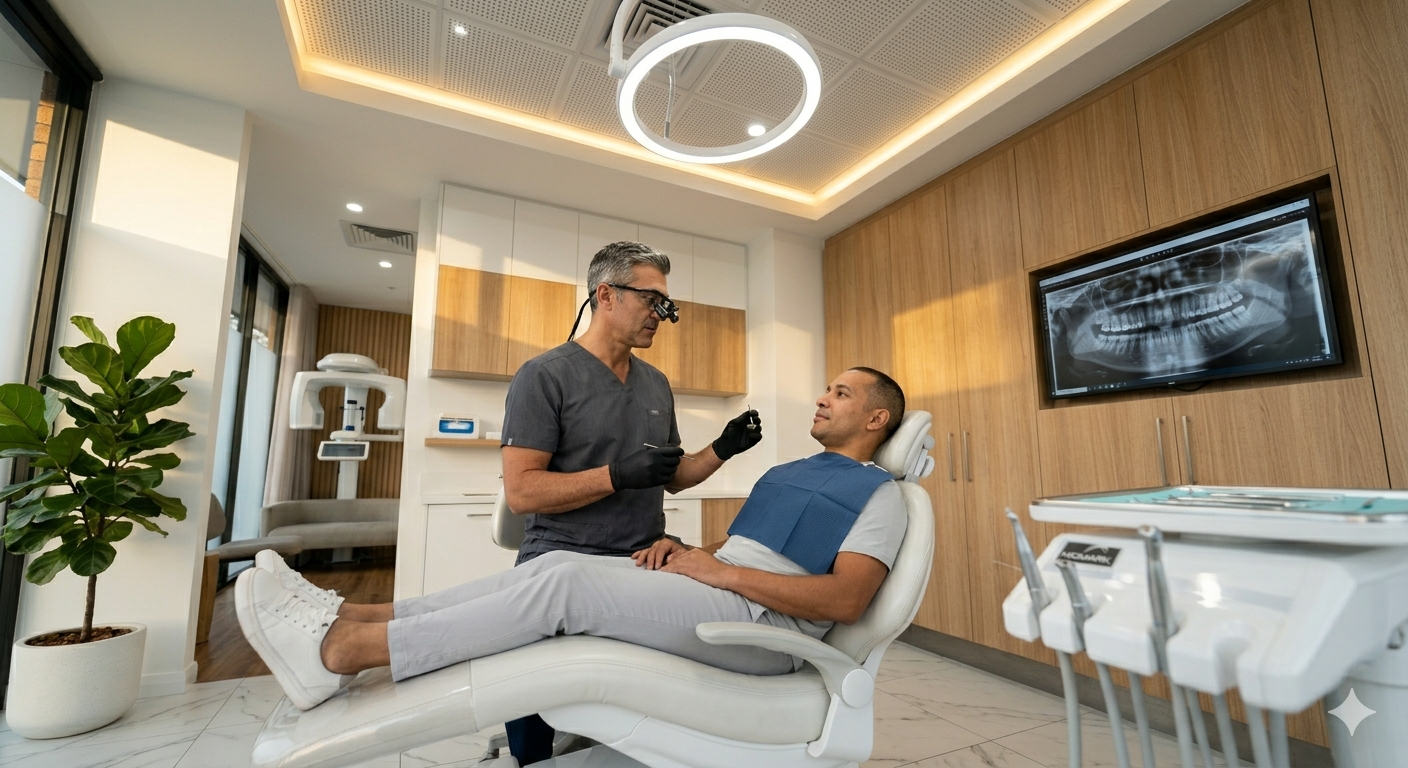
Same-day dental crowns let patients get a custom ceramic crown in a single visit using digital scanning and in-office milling. The process reduces appointments, temporary crowns, and wait time while delivering a durable, tooth-colored restoration.
How Same-Day Crowns Work
A dentist first removes decay and shapes the tooth under local anesthesia to create a stable base for the crown. They then take a digital intraoral scan that captures the exact dimensions and bite relationships, eliminating messy impressions.
The scan data transfers to CAD software where the dentist or technician designs the crown to match occlusion and neighboring teeth. A chairside milling unit carves the crown from a solid block of ceramic while the patient waits.
After milling, the crown is fitted, adjusted for contact and bite, polished, and bonded with a strong resin cement. The entire sequence usually takes 60–120 minutes depending on complexity, allowing the patient to leave with a final restoration that’s color-matched and functional.
Key Differences From Traditional Crowns
Traditional crowns typically require two or more appointments: tooth prep and impression, temporary crown placement, then delivery after lab fabrication. Same-day crowns compress lab work into an in-office CAD/CAM workflow, removing the need for temporaries and a second appointment.
Material-wise, same-day crowns commonly use high-strength ceramic (e.g., lithium disilicate), which offers excellent aesthetics and good durability. Traditional crowns may use porcelain-fused-to-metal or gold, which can be stronger in some posterior applications but less tooth-like in appearance.
Cost and insurance coverage can vary: same-day crowns may cost more upfront due to equipment and materials, but they save time and eliminate temporary crown costs. Not every case qualifies; very complex restorations or full-mouth work may still be better suited to traditional lab-fabricated crowns.
When You Might Need a Crown
A crown protects a tooth with extensive decay that cannot be restored with a filling alone. It also restores teeth after root canal therapy to prevent fracture and provide full coverage.
Crowns correct large fractures, severely worn teeth from grinding, and teeth with large old fillings that compromise structural integrity. They also improve aesthetics for discolored or misshapen teeth when whitening or veneers aren’t suitable.
A dentist evaluates factors such as remaining tooth structure, bite forces, gum health, and neighboring teeth before recommending a same-day crown. Patients with bruxism, thin enamel, or complex bite issues might need specialized materials or alternative treatment plans.
Benefits of Modern Crown Technology
Modern crown workflows speed treatment, improve comfort, and deliver more natural aesthetics for patients. Digital scanning, same-day milling, and advanced ceramics work together to reduce visits and preserve healthy tooth structure.
Single Visit Convenience
Same-day crowns remove the need for temporary restorations and return visits. A single appointment typically includes digital scanning, in-office milling, and chairside placement, so patients avoid multiple anesthesia events and the risk of temporary crown failure between visits.
This approach shortens total treatment time from weeks to hours. Clinics using CAD/CAM systems capture an optical impression in minutes, fabricate the crown on-site in roughly 30–90 minutes depending on complexity, and bond the restoration the same day.
Patients with busy schedules benefit most; one trip handles diagnosis, preparation, and final restoration. Insurance coordination and upfront cost estimates often occur before treatment, reducing surprise charges and administrative back-and-forth.
Enhanced Comfort During Treatment
Digital impressions eliminate messy putty and gag-inducing trays for many patients. A small handheld scanner replaces traditional molds, which reduces discomfort and shortens chair time during the impression phase.
Precise digital planning minimizes the amount of tooth removed. Conservative preparation preserves healthy enamel and dentin, lowering postoperative sensitivity and improving long-term tooth strength.
Local anesthesia use is often the same, but shorter appointments mean less time numb. For anxious patients, fewer visits and predictable workflows help lessen stress and improve the overall experience.
Natural-Looking Results
Contemporary dental ceramics mimic tooth translucency, color gradients, and surface texture more closely than older materials. Labs and in-office mills use layered ceramics and staining techniques to match adjacent teeth for seamless integration.
Digital shade-matching tools and high-resolution scans enable precise margins and contacts. That accuracy reduces food trapping, improves bite comfort, and decreases the likelihood of secondary decay at the crown edge.
Durable materials such as zirconia and lithium disilicate offer a balance of strength and esthetics for posterior and anterior crowns, respectively. Dentists can select materials based on location and functional demands to achieve both longevity and a lifelike appearance.
The Patient Experience
Patients receive focused, efficient care that combines digital scanning, on-site milling, and a final fit check. Staff explain steps, expected sensations, and immediate care instructions before treatment begins.
What to Expect at Your Appointment
After arrival, the patient checks in and completes a brief medical history update. The dentist reviews X-rays if needed, then examines the tooth and discusses shade selection to match surrounding teeth.
The tooth receives local anesthetic when required, and the dentist removes decay or old material. A digital intraoral scanner captures a precise 3D image in seconds, replacing messy impressions.
While the patient waits in the office, the milling unit fabricates the crown from a solid ceramic block; this usually takes 20–40 minutes. The dentist then tries the crown in, checks bite and contacts, makes minor adjustments, and bonds the crown with resin cement. Total chair time typically ranges from 90 minutes to two hours depending on complexity.
Post-Treatment Care Tips
Expect mild soreness or gum sensitivity for 24–72 hours; over-the-counter ibuprofen or acetaminophen usually controls discomfort. Avoid very hard, sticky, or chewy foods for 48 hours to let the cement fully set.
Maintain normal brushing with a soft-bristle toothbrush and floss gently around the new crown to prevent food trapping. If temporary sensitivity to hot or cold persists beyond two weeks, contact the office for evaluation.
Watch for signs that require prompt attention: loosening of the crown, persistent sharp pain when biting, swelling, or a bad taste/smell indicating possible infection. Schedule the recommended follow-up appointment or call the dental team for any concerns to ensure long-term success.
Choosing the Right Dental Practice in Palmdale
Selecting a practice affects comfort, treatment speed, and the predictability of same-day crowns. Focus on measurable factors like credentials, treatment workflow, patient reviews, and the technology that enables single-visit restorations.
Qualities to Look For in a Dentist
Look for a dentist with advanced restorative training and specific experience placing same-day crowns. Verify continuing education in CAD/CAM dentistry, membership in professional organizations (e.g., American Dental Association, Academy of General Dentistry), and a portfolio of before-and-after cases for single-visit crowns.
Assess clinical workflow: a practice that documents case plans, provides digital shade-matching, and explains material options (monolithic zirconia, lithium disilicate) usually delivers more predictable results. Check patient reviews for comments on chairside manner, anesthesia comfort, and how closely outcomes matched expectations.
Confirm logistics: transparent pricing for same-day crowns, clear warranty or redo policies, and ease of scheduling matter. Ask whether a single clinician handles scanning, design, and placement or if multiple specialists are involved—fewer handoffs often mean faster, more consistent care.
Importance of Advanced Dental Equipment
Modern equipment directly affects the quality and speed of same-day crowns. An in-office intraoral scanner (e.g., iTero, 3Shape) produces accurate digital impressions that reduce remakes and improve fit compared with traditional putty impressions.
A chairside milling unit and furnace for ceramic refinement let labs finish restorations while the patient waits, enabling true single-visit delivery. Look for mills that use high-strength materials and furnaces that provide proper crystallization for lithium disilicate to ensure durability and esthetics.
Digital design software with shade-matching and occlusion analysis improves fit and bite comfort. Practices that integrate digital records with CBCT or 3D imaging can assess underlying issues (root position, bone quality) before crown fabrication, reducing surprises and treatment delays.
Costs and Payment Options
Patients can expect clear breakdowns of fees, typical ranges for materials and lab work, and common payment solutions. Most clinics in Palmdale offer itemized estimates and can explain what drives cost differences.
Typical Price Range
Same-day crowns in Palmdale typically range from about $900 to $1,700 per tooth when made in-office with CAD/CAM milling using monolithic porcelain or zirconia. Prices vary by material: feldspathic or high-translucency ceramics trend toward the higher end for aesthetics, while solid zirconia can be less expensive and more fracture-resistant. Additional charges may apply for digital scans, local anesthesia, tooth buildup, or extraction and grafting if the tooth needs extra preparation. Emergency or after-hours appointments often carry a surcharge. Patients should request a written estimate that lists the crown, any preparatory work, and follow-up visits to avoid surprises.
Insurance and Financing Help
Most dental insurance plans cover part of a crown cost, commonly paying 50% to 80% of a standard crown after deductible, with coverage limits and waiting periods varying by plan. Medical insurance rarely covers crowns unless linked to trauma or medical necessity; patients should check plan specifics. Many Palmdale practices accept major credit cards, offer in-office financing, and partner with third-party lenders like CareCredit or Sunbit for short-term, interest-free options. Clinics often provide a sliding scale for low-income patients or package pricing for multiple crowns. Patients should bring insurance cards, ask about pre-authorization, and compare financing terms before scheduling.
Caring for Your New Crown
A patient should treat a same-day crown much like a natural tooth. Brush twice daily with a soft-bristled brush and fluoride toothpaste to prevent decay at the crown margins.
Floss gently once a day, sliding the floss up and down along the crown. If floss catches, try a floss threader or interdental brush to protect the crown and surrounding gum tissue.
Avoid very hard or sticky foods for the first 24–48 hours while the bite settles. After that, normal eating resumes, but chewing ice, hard candy, or non-food items should be avoided to reduce the risk of chipping.
Some sensitivity to hot or cold is normal for a few days. If sensitivity persists beyond two weeks or pain is sharp and localized, the patient should contact their dentist for an evaluation.
A regular dental routine and six-month checkups help crowns last longer. Professional cleanings remove buildup and allow the dentist to check crown fit and the health of neighboring teeth and gums.
Quick care tips:
- Brush: Twice daily, gentle strokes.
- Floss: Daily, use threaders if needed.
- Avoid: Hard/sticky foods, nail-biting, ice chewing.
- Watch for: Persistent pain, looseness, or visible gaps.
They should call the dental office with any concerns or to schedule follow-up care.
Long-Term Oral Health Considerations
Patients who choose same-day crowns in Palmdale should monitor both the restored tooth and surrounding tissues regularly. Proper fit and occlusion reduce wear, but routine dental exams catch small issues before they become big problems.
Good daily habits matter. Brushing twice and flossing once daily help prevent decay at the crown margin and protect opposing teeth from excess wear. An electric toothbrush and interdental cleaners often make care easier for people with limited dexterity.
Material choice affects longevity. Porcelain and zirconia resist staining and look natural, while metal-ceramic crowns may offer added strength for back teeth. The dentist will recommend the best option based on bite, esthetics, and how much tooth structure remains.
Patients should report sensitivity, looseness, or persistent soreness right away. Early adjustments or repairs can prevent fractures or decay under the crown. Nightguards help those who grind their teeth and reduce the risk of crown chipping.
Insurance and maintenance costs vary; budgeting for periodic checkups and possible future repairs prevents surprise expenses. Many practices offer flexible payment plans and preventive care packages to keep long-term costs manageable.
Encourage patients to ask about preventive strategies, material pros and cons, and realistic lifespan expectations so they make informed choices. Contact the dental office with questions or to schedule a follow-up exam.
Next Steps Toward a Healthier Smile
After considering same-day crowns in Palmdale, patients should schedule a consultation with a trusted local dentist. They will review oral health, explain digital scanning and crown materials, and outline costs and timelines.
Patients should bring a list of current medications and any dental concerns to the appointment. This helps the dentist tailor treatment and anticipate sensitivity or restorative needs.
Routine preventive care remains important before and after crown placement. Regular cleanings, daily brushing with fluoride toothpaste, and flossing protect adjacent teeth and prolong the life of the crown.
If anxiety or sensitivity is a concern, patients can discuss comfort options. Many practices offer sedation choices and numbing techniques to make the visit more comfortable.
Compare clinic features that matter: technology, dentist experience, available materials, and warranty or follow-up policies. Use the short checklist below to guide selection.
- Ask about same-day CAD/CAM scanning and milling.
- Inquire which crown materials are used (e.g., zirconia, porcelain).
- Confirm follow-up visits and emergency care policies.
They should also verify insurance coverage and financing options before treatment. Knowing what is covered reduces surprises and helps plan for out-of-pocket costs.
If questions remain, call the dental office or request an online consultation. A friendly team can provide answers, book an exam, or explain next steps toward a healthier, more comfortable smile.
Frequently Asked Questions
This section answers practical concerns about cost, procedure time, comfort, durability, and candidacy for same-day crowns in Palmdale, CA. It gives clear expectations for pricing ranges, what happens during a single-visit crown, recovery and sensation, and who should choose this option.
How much does a crown typically cost, and what factors can change the price?
A same-day crown in Palmdale commonly ranges from $800 to $2,000 depending on materials and complexity. Porcelain or ceramic tends to be pricier than full-metal options.
Insurance coverage, the need for root canal therapy, or extra preparation such as buildups will raise the final cost. Location within Palmdale, the dentist’s experience, and whether a temporary crown is avoided also influence price.
Can a dental crown really be designed and placed in just one visit?
Yes. CAD/CAM imaging captures the tooth, design software creates the crown, and an in-office milling unit fabricates it during the appointment. The dentist then checks fit, shades the restoration if needed, and bonds it in place the same day.
This workflow eliminates the need for a temporary crown and a second visit for placement. It relies on digital impressions and on-site equipment, which most modern dental practices now offer.
Are one-visit crowns as strong and long-lasting as traditional crowns?
When made from high-quality ceramic or zirconia and placed correctly, same-day crowns offer strength comparable to lab-made crowns. Longevity depends on material choice, bite forces, oral hygiene, and regular dental checkups.
Patients who grind teeth or need complex occlusal adjustments may require specially designed restorations, which can affect durability. Proper bonding technique and skilled finishing are also critical for long-term success.
Will getting a crown in one appointment hurt, and what can I expect during the visit?
Dentists numb the area with local anesthesia, so patients typically feel pressure but not pain during tooth preparation. Mild soreness or sensitivity after the appointment is common and usually manageable with over-the-counter pain relievers.
The dentist explains anesthesia, monitors comfort throughout, and may offer nitrous oxide or other comfort options on request. Post-op instructions cover chewing, sensitivity, and when to call for problems.
How long does the appointment usually take from start to finish?
A single-visit crown appointment generally lasts 90 to 180 minutes depending on the tooth, number of images, and any additional procedures. Molars and teeth requiring more preparation or shade matching may take longer.
The milling and firing stages are the most time-consuming parts, often taking 20–60 minutes. The dentist budgets time for fit checks and patient comfort during the visit.
Who is a good candidate for a one-visit crown, and when might a different option be better?
Good candidates include people with a single damaged or decayed tooth, those who want to avoid a temporary crown, and patients who can tolerate a longer single appointment. Same-day crowns suit cosmetic restorations on visible teeth and functional restorations on posterior teeth when anatomy allows.
Patients needing extensive bite reconstruction, very large restorations, complex cosmetic layering, or communication with a specialist lab may benefit from traditional lab-made crowns. The dentist recommends the best path after a clinical exam and X-rays.
If questions remain or a treatment plan is needed, they should contact their Palmdale dental office to schedule a consultation.